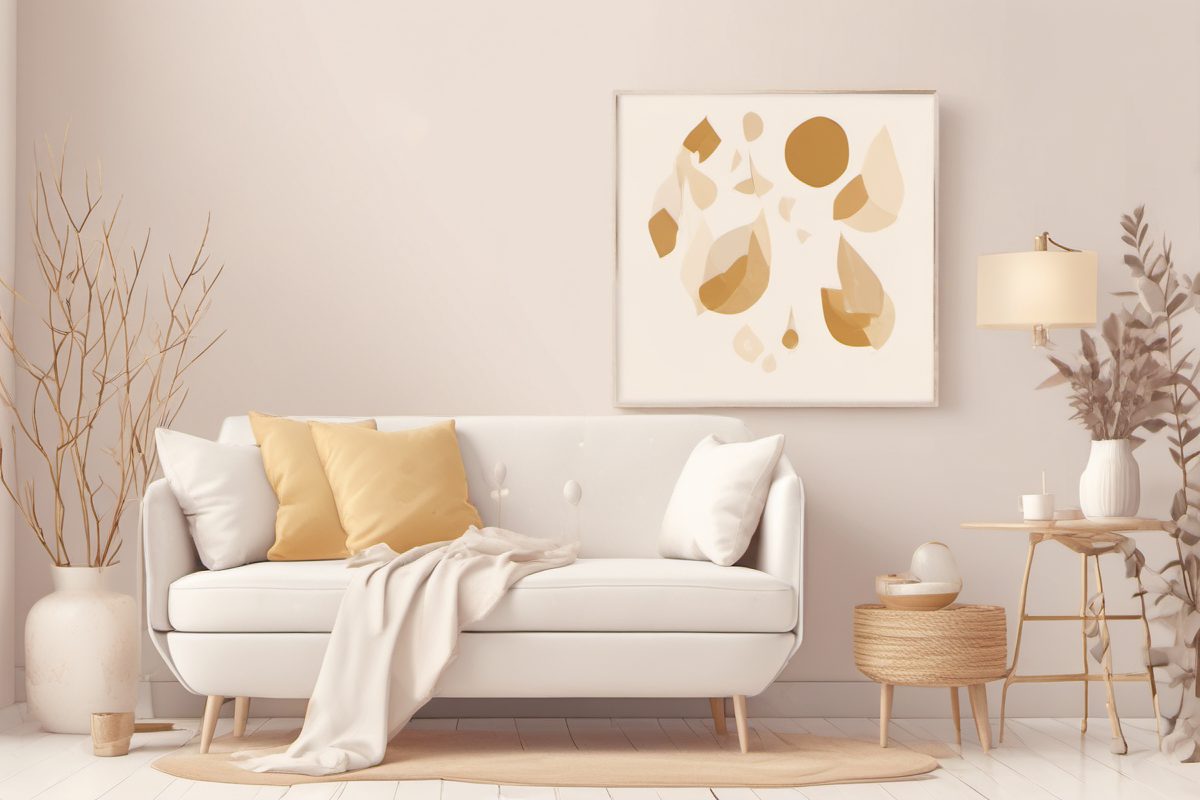
Picture a rainy evening: soft lamplight, a blanket over your knees, a warm drink in your hands, and nowhere you have to be. That feeling has a name in Danish. It’s called hygge, and it might be one of the reasons Denmark consistently ranks among the happiest countries on earth.
Hygge (roughly pronounced “hoo-gah”) isn’t a product you buy or a trend to perform. It’s a way of noticing and creating cozy, present-moment contentment. Here’s what it actually means and how to live it.
What Hygge Really Means
There’s no perfect English translation, which is part of the charm. Hygge describes a feeling of cozy togetherness, warmth, and ease, the deep comfort of simple pleasures enjoyed without rush or pressure. It’s the atmosphere of safety and belonging more than any single object.
The Danes lean on hygge especially through long, dark winters, turning the cold months into something to savor rather than endure. But hygge isn’t only a winter thing. It’s a year-round attitude of treasuring small, sensory moments of contentment.
Crucially, hygge is the opposite of hustle. It’s not about achieving, optimizing, or impressing anyone. It’s about being present and letting good-enough be wonderful.
The Core Ingredients of Hygge
Soft, warm light
Danes are famous for their devotion to candles, burning more per person than any other country in Europe. Harsh overhead lighting is the enemy of hygge. Swap it for candles, fairy lights, salt lamps, or a few warm-toned lamps. Soft light signals to your nervous system that it’s time to relax.
Comfort you can feel
Hygge is deeply tactile. Think wool blankets, thick socks, a worn-in sweater, a cushion that hugs you back. Surround yourself with textures that feel good against your skin. Comfort is not a guilty indulgence here. It’s the whole point.
Warm food and drink
A steaming mug of coffee, cocoa, or tea is practically a hygge mascot. So is comforting, unfussy food shared slowly: fresh bread, soup, pastries, a simple meal made with care. The goal isn’t gourmet, it’s warmth and pleasure without performance.
Togetherness without pressure
Hygge often involves people, but it’s low-key togetherness. A few close friends, easy conversation, board games, no agenda. There’s no need to impress, no phones competing for attention, no rush. Just genuine, relaxed presence with people you trust.
Being fully present
At its heart, hygge is a form of mindfulness. It asks you to put down your to-do list, silence the notifications, and actually inhabit the moment you’re in. The coziness is the doorway, but presence is the room you walk into.
A sense of safety and gratitude
There’s an emotional layer underneath the candles and blankets. Hygge carries a quiet feeling of being safe, sheltered, and thankful for what you have right now. The Danish writer Meik Wiking, who has studied happiness for years, describes hygge as “taking pleasure from the presence of soothing things” and as a kind of “cocoa by candlelight” contentment. That gratitude is what turns an ordinary evening into something you actually treasure, rather than rush through on the way to the next thing.
How to Create More Hygge in Everyday Life
You don’t need a Scandinavian cottage or a big budget. Hygge is built from small, intentional choices:
- Make a hygge corner. Pick one spot, a chair by a window, a corner of the sofa, and stock it with a soft blanket, a lamp, and maybe a book. Make it your go-to for slowing down.
- Light a candle on purpose. Lighting a candle as you sit down to read or eat turns an ordinary moment into a small ritual.
- Create a no-screen hour. Put the phone in another room and let your evening be analog: a real conversation, a puzzle, a slow cup of tea.
- Invite a couple of friends over for something simple. Soup and bread beats an elaborate dinner party. The ease is the gift.
- Romanticize the small stuff. Your morning coffee, the rain on the window, fresh sheets. Hygge is largely about noticing and appreciating what’s already pleasant.
- Slow down on purpose. Build in unhurried time with no goal but to feel comfortable and content. Treat rest as worthwhile, not lazy.
Why Hygge Resonates So Deeply
In a culture that prizes productivity, hustle, and more-more-more, hygge is quietly radical. It says contentment doesn’t require achievement. Joy can be small, warm, and free. By directing attention toward simple sensory pleasures and real connection, hygge naturally pulls you into the present, which is where well-being actually lives.
It also offers a gentle reframe for hard seasons. Instead of dreading dark, cold, or quiet stretches, hygge invites you to make them cozy, to find the warmth inside the difficulty. That’s a skill worth keeping all year.
There’s a practical wisdom in it too. We often postpone contentment, telling ourselves we’ll relax once the project is done, the house is bigger, or life finally calms down. Hygge quietly refuses that bargain. It insists that comfort and connection are available tonight, in this room, with what you already have. The more you practice noticing those moments, the more of them you tend to find, and the less your happiness depends on circumstances lining up perfectly.
You don’t have to be Danish, or wait for winter, to live this way. Tonight, you could dim the lights, pour something warm, wrap up in a blanket, and let yourself simply be comfortable. That’s hygge. That’s enough.
FAQ
How do you pronounce hygge?
It’s commonly pronounced “hoo-gah” in English, though the Danish pronunciation is a bit softer and harder to capture with English spelling. Don’t worry about getting it perfect. The feeling matters far more than the pronunciation.
Is hygge only for winter?
No. Hygge is strongest in winter because Danes use it to make long, dark months cozy, but it’s a year-round mindset. A summer version might be a candlelit dinner outdoors, a slow picnic, or easy time with friends on a warm evening. The essence, cozy presence and simple pleasure, fits any season.
Do I need to spend money to live hygge?
Not at all. Hygge is about atmosphere and presence, not purchases. A candle you already own, a blanket from your closet, a homemade cup of tea, and a phone-free evening cost almost nothing. In fact, the minimalist, anti-consumerist feel is part of what makes hygge so appealing.