Have you ever noticed how your energy ebbs and flows throughout the month, sometimes feeling unstoppable and other times craving rest and reflection? What if those fluctuations weren’t random but were actually connected to the rhythmic pull of the moon? Lunar living is an ancient practice that aligns your daily routine with the moon’s cycles, creating a powerful framework for intention-setting, productivity, rest, and release. Rather than fighting against your natural rhythms, lunar living teaches you to work with them, turning the moon’s phases into a personal roadmap for growth and well-being.
Understanding the Moon Cycles: A Cosmic Blueprint for Daily Life
The moon completes its full cycle approximately every 29.5 days, moving through eight distinct phases. Each phase carries its own unique energy, symbolism, and invitation. For thousands of years, cultures around the world — from ancient Babylonians to Indigenous peoples — have tracked these phases to guide planting, hunting, healing, and ceremony. Today, modern lunar practitioners apply the same wisdom to careers, relationships, creative projects, and personal development.
When you understand what each phase asks of you, you stop pushing when the universe says rest and stop resting when the universe says act. This alignment doesn’t require belief in astrology or mysticism — it’s simply about honoring natural cycles of expansion and contraction that mirror the moon’s journey from dark to full and back again.
The Eight Lunar Phases Explained
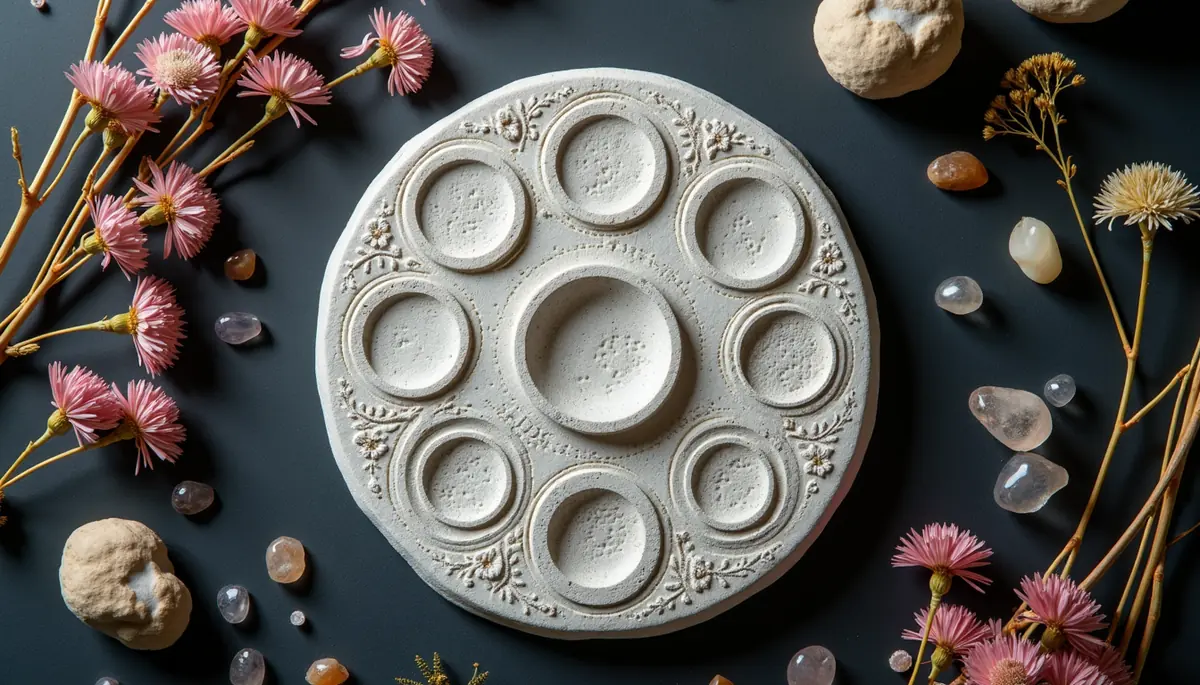
Each lunar phase lasts roughly 3–4 days, giving you a manageable window to work with. Here’s what each phase represents and how it connects to your inner world:
- New Moon: The dark moon. A time of emptiness, possibility, and planting seeds. Energy is low but intention is high.
- Waxing Crescent: The first sliver of light appears. Ideas begin forming, and you start taking the first steps toward your intentions.
- First Quarter: Half the moon is illuminated. This is the action phase — decisions are made, challenges arise, and momentum builds.
- Waxing Gibbous: Nearly full. Refine, adjust, and perfect. Your efforts are taking shape, and patience is key.
- Full Moon: Maximum illumination. Completion, celebration, and revelation. Things come to light — both achievements and shadow aspects.
- Waning Gibbous (Disseminating): Gratitude and sharing. You give back, teach others, and integrate the lessons of the full moon.
- Last Quarter (Third Quarter): Release and forgiveness. Let go of what no longer serves you. Clear the slate.
- Waning Crescent (Balsamic): Surrender and rest. The deepest inward phase. Trust the void before renewal.
Why Aligning With Lunar Cycles Transforms Your Routine
Most productivity systems assume you should operate at the same capacity every single day. But your body, mind, and spirit don’t work that way. Research in chronobiology shows that humans have internal rhythms — circadian, ultradian, and infradian — that affect energy, mood, and cognitive performance. The lunar cycle functions as an external infradian rhythm that many people find mirrors their internal fluctuations.
When you ignore these rhythms, you end up forcing creativity during low-energy phases, scheduling demanding projects during rest periods, and wondering why burnout keeps knocking. Lunar alignment offers a gentler, more sustainable alternative: structure your most ambitious goals around waxing phases and your deepest restoration around waning phases.
The Science Behind Cyclical Living
While the scientific literature on lunar living specifically is still emerging, several studies have explored the moon’s influence on human biology. A 2013 study published in Current Biology found that participants slept less and had reduced sleep quality around the full moon, even in a controlled environment without moonlight exposure. Other research has noted correlations between lunar phases and mood, surgical outcomes, and even emergency room visits.
Whether the mechanism is gravitational, hormonal, or electromagnetic, the takeaway is clear: something shifts within us across the lunar month. Lunar living simply makes that shift conscious and intentional rather than chaotic and confusing.
New Moon Rituals: Setting Powerful Intentions
The new moon is your monthly reset button. It’s the darkest night of the lunar cycle, when the moon sits between the Earth and Sun, invisible to the naked eye. This darkness isn’t emptiness — it’s fertile potential. Just as seeds germinate underground before breaking through soil, your intentions take root in the new moon’s quiet energy.
Creating Your New Moon Intention Practice
A meaningful new moon practice doesn’t require expensive crystals or elaborate altars. It requires honesty, stillness, and a willingness to listen to your deepest desires. Here’s a step-by-step approach:
- Create sacred space: Dim the lights, light a candle, and eliminate distractions. This signals to your nervous system that something important is happening.
- Reflect on the past cycle: What worked? What didn’t? What did you learn? Write your reflections without judgment.
- Choose 1–3 intentions: Not ten, not twenty. Focus creates power. What do you most want to call into your life this cycle?
- Write them in present tense: “I am thriving in my new role” rather than “I want to thrive.” Present-tense language rewires your brain to expect the outcome.
- Anchor with action: For each intention, identify one small step you can take within 48 hours. The universe responds to movement.
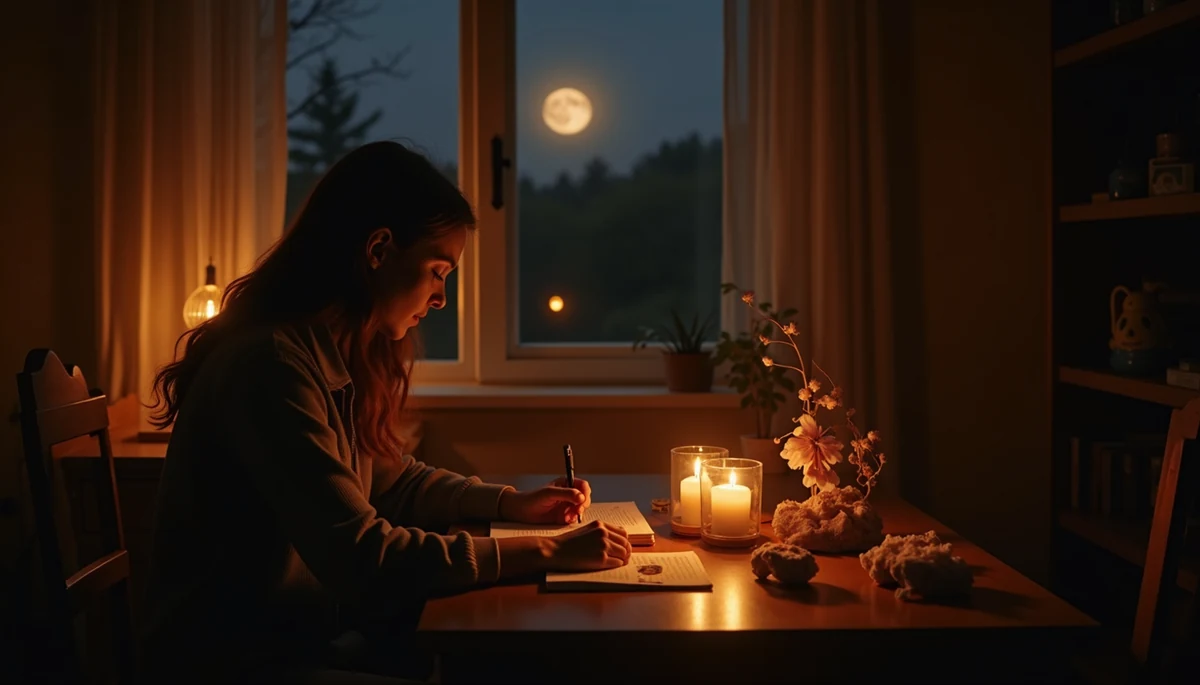
New Moon Journaling Prompts
Journaling during the new moon amplifies clarity and intention. Try these prompts to unlock deeper insight:
- What am I ready to release from the last cycle?
- What seed do I want to plant and nurture this month?
- Where am I playing small, and what would it look like to expand?
- What does my ideal life feel like — not look like, but feel like?
- What am I afraid to ask for, and what would happen if I asked anyway?
Waxing Phase Strategies: Building Momentum and Taking Action
As the moon grows from crescent to full, your energy should grow alongside it. The waxing phases are for doing — launching projects, having difficult conversations, pushing through resistance, and building visible progress. This is your entrepreneurial, creative, athletic window. If you’ve been waiting for the right time to start something, the waxing moon is your green light.
Waxing Crescent: First Steps and Brave Beginnings
The waxing crescent phase lasts about three days after the new moon. Energy is still gentle, but it’s rising. This is when you take your first concrete action toward the intentions you set. Don’t aim for perfection — aim for movement. Draft the outline. Send the email. Book the class. Take one step that proves to yourself that your intention is real.
During this phase, your intuition is sharp. Pay attention to synchronicities, repeated messages, and gut feelings. The universe often sends confirmation during the waxing crescent — a conversation that validates your direction, a book that appears at exactly the right moment, a dream that clarifies your next step.
First Quarter: The Action and Decision Phase
The first quarter moon presents a challenge: commit or retreat. Half illuminated, half dark, it asks you to choose a side. This is the most action-oriented phase of the entire cycle. If you’ve been hesitating, the first quarter forces a decision.
Common challenges during this phase include self-doubt, unexpected obstacles, and the temptation to abandon your intention for something easier. Resist the urge. The friction you feel is the universe testing whether your commitment is genuine. Push through by breaking large goals into smaller tasks, seeking support from trusted allies, and reminding yourself why the intention mattered in the first place.
Waxing Gibbous: Refinement and Trust
Almost there. The waxing gibbous moon is nearly full, and your projects are nearly complete. This phase asks for patience and refinement rather than new launches. Review what you’ve built, make adjustments, and trust the process. Perfectionism often spikes here — notice it without letting it paralyze you.
Practically, this is an excellent time for editing, revising, rehearsing, and polishing. It’s not the time to start something brand new. Focus on what’s already in motion and bring it to its highest expression.
Full Moon Energy: Celebration, Completion, and Illumination
The full moon is the climax of the lunar cycle — the moment when everything you’ve been building reaches peak visibility. Emotions run high, revelations surface, and completions happen. This is when you see results, gain clarity, and celebrate how far you’ve come.
Harnessing Full Moon Power
Full moon energy is intense and illuminating. It reveals what’s been hidden — in your projects, relationships, and inner landscape. Here’s how to work with it:
- Celebrate your wins: Don’t skip this step. Acknowledging progress trains your brain to recognize success, creating a positive feedback loop.
- Assess what’s illuminated: The full moon often reveals what the new moon concealed. What truths have come to light? What needs adjustment?
- Charge your intentions: Many practitioners place written intentions, crystals, or water in full moonlight to “charge” them with the moon’s peak energy.
- Practice forgiveness: The full moon illuminates grudges and resentments as easily as achievements. Use this clarity to release old hurts.
Full Moon Release Ritual
While the waning phases are the primary release period, the full moon offers a powerful opportunity to let go of what the light has revealed. Write down what you’re releasing — limiting beliefs, toxic patterns, unfinished business — and safely burn the paper under the full moon. The act of burning transforms stuck energy into movement, signaling to your subconscious that you’re ready to move forward.
Waning Phase Practices: Releasing, Resting, and Reflecting
After the full moon’s peak, the lunar energy begins to withdraw. The waning phases are for completing what was started, releasing what no longer serves, and creating space for the next cycle. This is not a time for new beginnings — it’s a time for endings and integration.
Waning Gibbous: Gratitude and Teaching
The waning gibbous phase invites you to share what you’ve learned. Teach a skill, mentor someone, express gratitude to the people who supported you, and give back to your community. Sharing knowledge during this phase deepens your own understanding and creates a cycle of reciprocity.
Start a gratitude practice during this phase. Write three specific things you’re grateful for each evening. Specificity matters — “I’m grateful for the way my colleague helped me restructure that presentation” is far more potent than “I’m grateful for my job.”
Last Quarter: Active Release and Course Correction
The last quarter moon demands honesty. What isn’t working? What habits, relationships, or projects have run their course? This phase is about active, intentional release — not passive drifting. End the project that’s draining you. Have the conversation you’ve been avoiding. Delete the apps that waste your time.
Course correction is also key during this phase. If your intention from the new moon didn’t materialize as expected, the last quarter is your chance to adjust your approach rather than abandon it entirely. Ask yourself: “What would I do differently if I trusted that this was still possible?”
Waning Crescent: Surrender and Deep Rest
The final phase before the new moon is the most inward and restorative. The waning crescent asks you to surrender completely — to stop striving, to trust the void, and to allow the cycle to complete itself. This is the phase most people skip, and it’s the one they need most.
During the waning crescent, prioritize sleep, gentle movement, and minimal obligations. Say no to new commitments. Spend time in nature without an agenda. Meditate, take baths, read fiction, daydream. This isn’t laziness — it’s restoration, and it’s what makes the next new moon’s intentions powerful enough to take root.
How to Create a Personal Lunar Calendar
Lunar living becomes transformative when it’s personalized. Your cycle, your body, and your life are unique — the moon provides the framework, but you fill in the details. Creating a personal lunar calendar bridges cosmic rhythm and daily practicality.
Step-by-Step Lunar Calendar Setup
Follow these steps to build a calendar that works with your actual life:
- Track the moon phases: Use a lunar app (like Deluxe Moon or The Moon Calendar) or print a free lunar calendar. Note each phase transition date.
- Map your energy: For one full cycle, rate your energy, mood, and productivity each day on a 1–10 scale. Look for patterns that align with the moon.
- Assign activities to phases: Based on your patterns and the phase energies described above, schedule recurring activities where they naturally fit.
- Set monthly new moon intentions: Use the new moon as your monthly planning anchor rather than the calendar month.
- Review at the full moon: Check progress at the full moon and adjust as needed.
- Release at the waning crescent: Use the final days before the new moon for rest and reflection, not new projects.
Aligning Nutrition and Exercise With Lunar Phases
Lunar living extends beyond mindset and intention — it encompasses your physical body as well. Many practitioners adjust their nutrition and exercise routines to match the moon’s phases, creating a holistic lifestyle that honors the body’s cyclical nature.
Waxing Phase Nutrition and Movement
During the waxing moon, your body is building and expanding. Support this energy with:
- Protein-rich meals that fuel growth and activity
- Complex carbohydrates for sustained energy during high-output days
- Strength training and high-intensity workouts — your body recovers faster and builds more effectively during this phase
- Creative physical activities like dance, martial arts, or team sports that channel rising energy
Waning Phase Nutrition and Movement
As the moon wanes, your body naturally wants to detox and release. Support this with:
- Lighter meals with an emphasis on vegetables, soups, and cleansing foods
- Increased water intake and herbal teas that support elimination
- Restorative movement — yoga, walking, stretching, and gentle swimming
- Longer sleep and earlier bedtimes, especially during the waning crescent
Lunar Living and Relationships: Syncing With Others
Relationships are profoundly affected by lunar energy. Arguments spike around the full moon, while intimacy and connection deepen during the waxing phases. Understanding these patterns helps you navigate interpersonal dynamics with more grace and less reactivity.
Relationship Practices by Phase
Each lunar phase offers specific opportunities for strengthening your relationships:
- New Moon: Set relationship intentions. What kind of partner do you want to be? What dynamic do you want to create?
- Waxing Crescent: Initiate new connections. Say yes to invitations, reach out to friends, and put yourself in social settings.
- First Quarter: Have the difficult conversations you’ve been avoiding. The action energy helps you speak truth with courage.
- Full Moon: Celebrate together. Plan dates, host gatherings, and express appreciation to the people you love.
- Waning Phases: Give each other space. Focus on personal restoration rather than demanding connection.
Common Mistakes in Lunar Living and How to Avoid Them
Lunar living is simple, but it’s not always easy. Here are the most common pitfalls and how to navigate them:
Mistake 1: Treating Every Phase the Same
The biggest error is applying the same effort and expectations to every phase. If you try to launch a project during the waning crescent or force rest during the waxing gibbous, you’ll feel out of sync and frustrated. Respect the phase you’re in, even when it contradicts your ego’s timeline.
Mistake 2: Rigid Scheduling
Lunar living is a practice of alignment, not a prison. If a genuine opportunity arrives during a waning phase, take it. The moon is a guide, not a dictator. The goal is awareness and intention, not inflexible adherence.
Mistake 3: Skipping the Rest Phases
In a culture that glorifies constant productivity, the waning crescent feels uncomfortable. But skipping rest doesn’t make you more productive — it makes you less. The rest phases are where integration happens, and integration is where growth becomes permanent.
Mistake 4: Ignoring Your Personal Cycle
For people with menstrual cycles, the lunar cycle and the menstrual cycle may or may not be synchronized. Track both. When they align, the effects are powerful. When they diverge, honor whichever cycle feels more dominant at any given time.
Integrating Lunar Living Into a Modern Schedule
You don’t need to quit your job or move to a mountaintop to practice lunar living. The beauty of this system is its flexibility — it enhances your existing routine rather than replacing it. Here are practical ways to weave lunar awareness into a busy life:
- Monthly intention setting: Spend 15 minutes on each new moon writing your top 1–3 intentions for the cycle.
- Weekly energy check-ins: On Sunday evenings, note which lunar phase you’re entering and adjust your weekly plan accordingly.
- Daily moon awareness: Glance at a moon phase app each morning. Just knowing which phase you’re in changes how you approach the day.
- Full moon celebrations: Once a month, do something that feels celebratory — a special dinner, a night with friends, or a solo ritual.
- Waning crescent rest: For 2–3 days before the new moon, say no to non-essential commitments and protect your downtime.
Conclusion: Your Life, Aligned With the Moon
Lunar living isn’t about adding another item to your to-do list — it’s about changing how you relate to time itself. Instead of fighting your natural rhythms, you learn to ride them. Instead of feeling guilty for needing rest, you discover that rest is productive. Instead of wondering why some days feel effortless and others feel impossible, you begin to understand the cyclical nature of energy and effort.
Start simple. Track the moon for one full cycle. Notice what shifts. Write down your observations. Over time, you’ll develop an intuitive sense for which phase supports which activity, and your life will begin to flow with a rhythm that feels both ancient and deeply personal. The moon has been guiding cycles of growth, release, and renewal for billions of years. When you align your daily routine with its wisdom, you tap into a source of guidance that never runs out and never charges a subscription fee.
The next new moon is already on its way. What seeds will you plant?