If you have been hearing about Reiki energy healing and wondering what actually happens during a session, you are not alone. Many people feel drawn to this ancient Japanese practice but hesitate because they simply do not know what to expect. That uncertainty is completely natural, and understanding the process beforehand can make your first Reiki experience far more comfortable and meaningful.
Reiki is a gentle, non-invasive energy healing technique that originated in Japan in the early twentieth century. The word itself combines two Japanese terms: Rei, meaning universal or spiritual, and Ki, meaning life force energy. Together, they describe a practice that channels universal life force energy through the practitioner’s hands to support the recipient’s natural healing processes. Unlike massage or physical manipulation, Reiki works on an energetic level, addressing imbalances that may affect your physical, emotional, mental, and spiritual well-being.
In this comprehensive guide, we will walk you through everything you need to know before, during, and after your first Reiki session so that you can approach it with confidence and openness.
What Is Reiki Energy Healing?
Reiki energy healing is based on the principle that a vital life force energy flows through all living beings. When this energy is low, we are more likely to feel stressed, fatigued, or become ill. When it is high and flowing freely, we feel vibrant, healthy, and emotionally balanced. A Reiki practitioner acts as a conduit, channeling this universal energy to the recipient through a series of gentle hand placements either directly on or just above the body.
The practice was developed by Mikao Usui in 1922 after a profound spiritual experience during a meditation retreat on Mount Kurama in Japan. Usui Sensei spent the remainder of his life teaching and sharing Reiki, and his students carried the tradition forward, eventually spreading it throughout the world. Today, millions of people benefit from Reiki sessions in private practices, hospitals, hospices, and integrative wellness centers.
It is important to understand that Reiki is not a religion, nor does it require any specific belief system. People of all faiths and backgrounds can receive and benefit from Reiki. The energy itself is considered intelligent and naturally flows to where it is most needed in the body.
The Five Principles of Reiki
Mikao Usui established five guiding principles, known as the Gokai, which form the ethical and spiritual foundation of Reiki practice:
- Just for today, I will not be angry
- Just for today, I will not worry
- Just for today, I will be grateful
- Just for today, I will do my work honestly
- Just for today, I will be kind to every living thing
These principles are not rigid commandments but gentle daily reminders that support the healing process. Many practitioners recite them at the beginning and end of each day, creating a framework for mindful and compassionate living.
How to Prepare for Your First Reiki Session
Preparation for a Reiki session is refreshingly simple compared to many other healing modalities. There are no special diets, fasts, or physical requirements. However, a few mindful steps can help you get the most out of your experience.
Choosing a Reiki Practitioner
Finding the right practitioner is perhaps the most important step. Look for someone who has completed at least Level II Reiki training (sometimes called Second Degree), as this level includes the ability to work with emotional and mental healing as well as distant healing techniques. Many practitioners also hold Level III or Master level certifications, which indicate deeper training and experience.
Ask about their training lineage, experience, and approach. A good practitioner will be happy to discuss their background and answer any questions you have. Trust your intuition when choosing someone. If you feel comfortable and at ease during your initial conversation, that is a positive sign.
What to Wear and Bring
Wear loose, comfortable clothing that allows you to relax fully. You will remain fully clothed throughout the session, so there is no need for special attire. Avoid tight jewelry or accessories that might create pressure when you are lying down. Bring a bottle of water to drink afterward, as hydration helps the energy integration process.
Setting Your Intention
Before your session, take a few moments to set a personal intention. This does not need to be elaborate. Simply acknowledging what you hope to receive or release can help direct the energy. You might focus on physical tension, emotional stress, mental clarity, or simply remain open to whatever the energy brings. There is no wrong intention.
What Happens During a Reiki Session: Step by Step
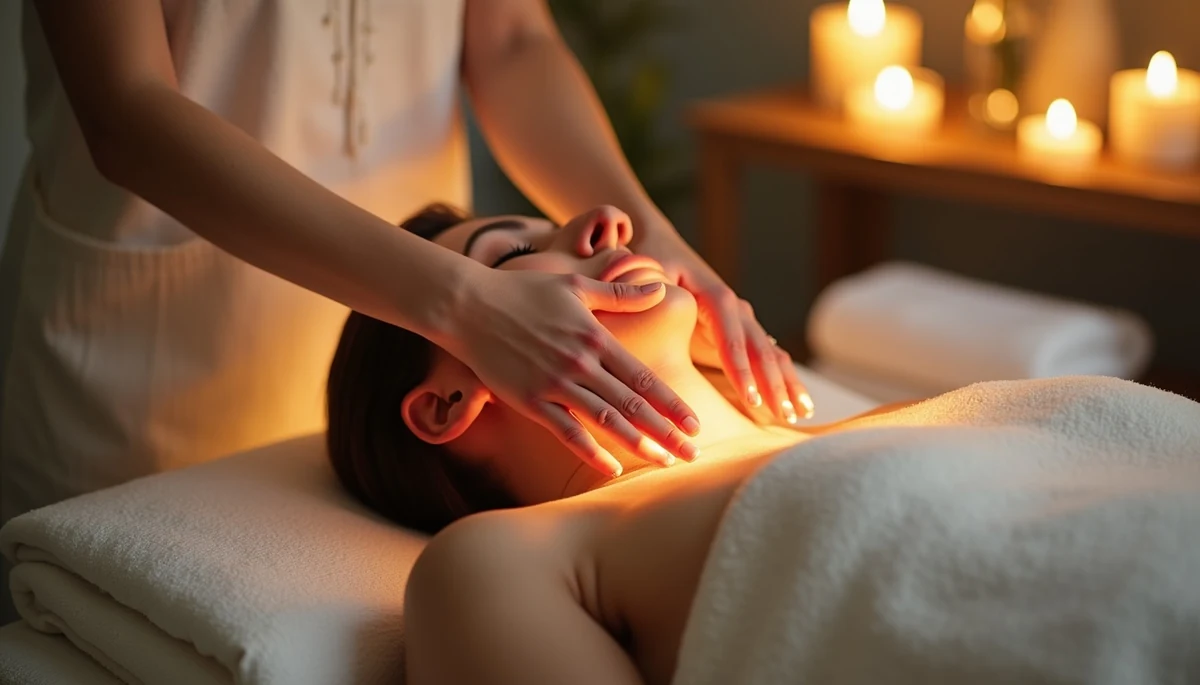
Understanding the flow of a typical Reiki session can ease any anxiety about the unknown. While every practitioner has their own style, most sessions follow a similar general structure.
The Initial Consultation
Your session usually begins with a brief conversation. The practitioner will ask about your health history, current concerns, and what brought you to Reiki. This is also your opportunity to ask questions and express any preferences, such as whether you prefer hands-on or hands-off technique, or if there are areas of your body you would like focused attention on.
Getting Comfortable on the Table
You will be asked to lie face up on a comfortable treatment table, similar to a massage table but often with extra padding. The room is typically dimly lit with soft music playing, and some practitioners use candles, essential oils, or crystals to create a calming atmosphere. You will remain fully clothed and covered with a light blanket if desired.
The Hand Positions
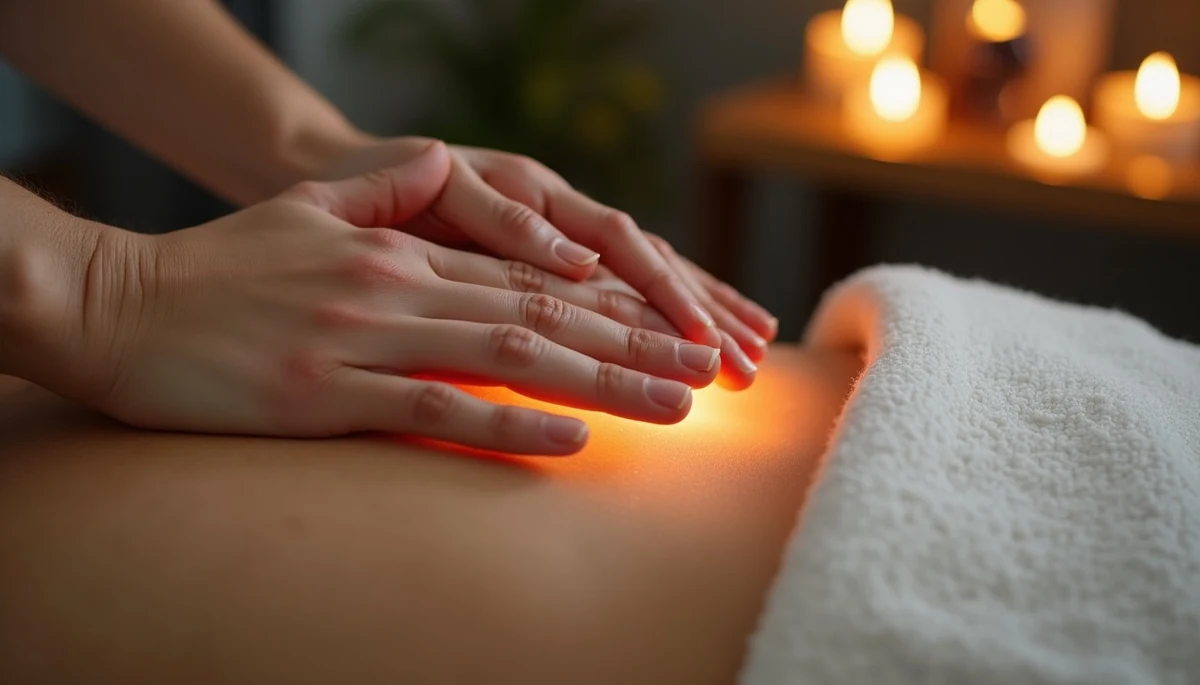
The practitioner will begin placing their hands on or slightly above your body in a series of specific positions. These positions generally follow a sequence starting at the head and moving down through the torso, hips, legs, and feet. Each position is held for several minutes, allowing the energy to flow where it is needed.
The traditional Reiki treatment includes twelve to twenty hand positions, though some practitioners use intuitive placement based on what they sense in your energy field. You may feel warmth, tingling, gentle pulsing, or simply a deep sense of relaxation. Some people feel very little sensation, and that is perfectly normal. The energy works regardless of what you consciously perceive.
What You Might Feel
Sensations during Reiki vary widely from person to person and even from session to session. Common experiences include:
- Warmth or heat emanating from the practitioner’s hands
- Tingling or gentle pulsing in the area being treated
- Deep relaxation that may border on sleep
- Emotional release such as unexpected tears or laughter
- Visual imagery including colors, shapes, or memories
- Physical sensations like muscle twitching or stomach gurgling
Some recipients report feeling energy moving through specific areas of their body, while others simply drift into a deeply peaceful state. Every experience is valid, and the energy continues to work even if you feel nothing unusual.
Understanding Chakras and Energy Flow in Reiki
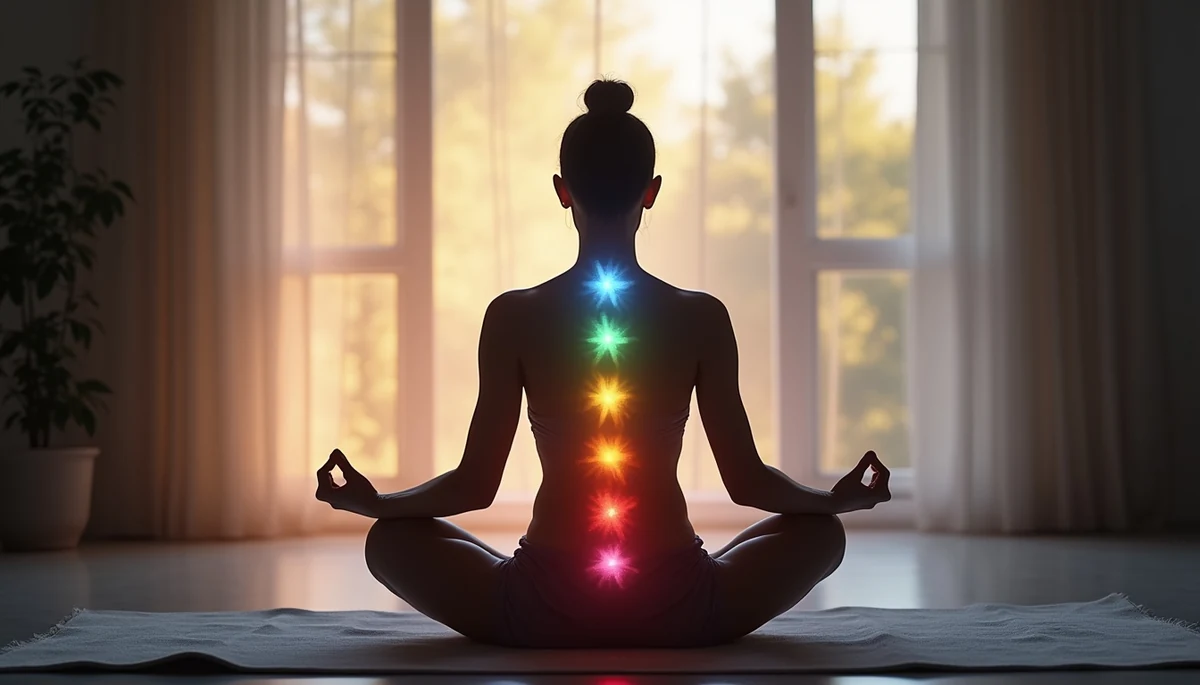
Reiki and the chakra system are closely interconnected. The word chakra comes from Sanskrit and means wheel or disk, referring to spinning energy centers located along the midline of the body. In Reiki practice, understanding these energy centers helps explain why certain emotions and physical conditions arise and how energy healing can address them.
The Seven Main Chakras
Each of the seven primary chakras corresponds to specific physical, emotional, and spiritual aspects of your being:
- Root Chakra (Muladhara) — Located at the base of the spine, this chakra governs survival, security, and grounding. Blockages may manifest as anxiety or financial worries.
- Sacral Chakra (Svadhisthana) — Found below the navel, this center relates to creativity, sexuality, and emotional flow. Imbalances often show up as guilt or creative blocks.
- Solar Plexus Chakra (Manipura) — Situated in the upper abdomen, this chakra controls personal power, self-esteem, and will. Issues here may appear as low confidence or digestive problems.
- Heart Chakra (Anahata) — Located at the center of the chest, this chakra governs love, compassion, and forgiveness. Blockages can lead to difficulty giving or receiving love.
- Throat Chakra (Vishuddha) — Found in the throat area, this center relates to communication and self-expression. Imbalances often manifest as fear of speaking your truth.
- Third Eye Chakra (Ajna) — Located between the eyebrows, this chakra controls intuition, insight, and imagination. Blockages may cause confusion or lack of clarity.
- Crown Chakra (Sahasrara) — Situated at the top of the head, this chakra connects you to universal consciousness and spiritual awareness. Imbalances may feel like disconnection or lack of purpose.
During a Reiki session, the practitioner may spend extra time on chakras that feel blocked or sluggish. You might notice that certain hand positions evoke stronger responses than others, which can indicate where energy is most needed.
What to Expect After Your First Reiki Session
The period following a Reiki session is often described as a processing time. Your body, mind, and energy field continue to integrate the healing work that began during the session. Understanding what may occur afterward helps you support this integration process.
Immediate Aftereffects
Right after your session, you will likely feel deeply relaxed and possibly slightly disoriented, similar to waking from a restful nap. Give yourself a few minutes before standing. Drink water and move gently. Many people report feeling lighter, calmer, and more centered immediately after their session.
The Healing Crisis Concept
In some cases, particularly when significant emotional or energetic blockages have been released, you may experience what holistic practitioners call a healing crisis or healing response. This can include temporary symptoms such as:
- Mild fatigue or sleepiness
- Emotional sensitivity or mood shifts
- Vivid dreams or enhanced dream recall
- Increased thirst or hunger
- Temporary intensification of existing symptoms before improvement
These responses are generally brief, lasting from a few hours to a couple of days, and are considered a sign that deep healing is taking place. Rest, hydration, and gentle self-care will support your body through this process.
Self-Care After Reiki
To maximize the benefits of your session, consider the following self-care practices:
- Hydrate generously — Water helps flush released toxins and supports energy flow
- Rest when needed — Your body is doing important integration work
- Avoid alcohol and stimulants for at least 24 hours if possible
- Journal your experience — Writing down sensations, emotions, and insights helps process the session
- Spend time in nature — Grounding in natural settings supports energy stabilization
- Practice gentle movement — Yoga, walking, or stretching can help energy circulate
How Many Reiki Sessions Do You Need?
While even a single Reiki session can produce noticeable benefits, most practitioners recommend a series of sessions for deeper and more lasting results. The number of sessions depends on your individual goals and circumstances.
Acute Versus Chronic Conditions
For acute issues such as recent stress, a minor injury, or preparation for a specific event, one to three sessions may be sufficient. For chronic conditions, long-standing emotional patterns, or deep spiritual work, four to six sessions or more may be beneficial. Many people choose to continue with monthly maintenance sessions after their initial series.
Building a Healing Relationship
Working with the same practitioner over time allows them to become familiar with your energy patterns and track your progress. As trust deepens, the sessions often become more effective because you are able to relax more fully and allow the energy to flow without resistance.
Scientific Research on Reiki Energy Healing
While Reiki has been practiced for over a century, scientific research into its mechanisms and effects is still developing. Several studies have shown promising results in areas such as pain management, anxiety reduction, and quality of life improvement.
Hospital and Clinical Integration
Reiki is currently offered in over eight hundred hospitals and clinics across the United States, including prestigious institutions such as Memorial Sloan Kettering Cancer Center, Mayo Clinic, and Johns Hopkins. These integrative medicine programs typically use Reiki as a complementary therapy alongside conventional treatments, reporting benefits in patient relaxation, pain perception, and emotional well-being.
Research Findings
A growing body of research suggests that Reiki may help reduce anxiety, improve sleep quality, decrease pain perception, and enhance overall well-being. While more large-scale controlled studies are needed, the existing evidence supports Reiki as a safe and potentially effective complementary practice. It is important to note that Reiki is not intended to replace medical treatment but to complement it.
Different Types of Reiki Practice
The original form taught by Mikao Usui is known as Usui Reiki, and it remains the most widely practiced form worldwide. However, several other lineages and styles have emerged over the decades, each with unique characteristics.
Usui Reiki
The traditional form that follows the teachings of Mikao Usui. It includes three levels of training and emphasizes the original hand positions, symbols, and principles established by Usui Sensei.
Karuna Reiki
Developed by William Lee Rand, Karuna Reiki introduces additional symbols and techniques designed for deeper compassionate action healing. It is available only to practitioners who have already completed Usui Reiki Master level training.
Other Lineages
Several other styles exist, including Jikiden Reiki, which aims to preserve the original Japanese teachings as closely as possible, and Holy Fire Reiki, which incorporates a newer form of energy introduced within the Usui lineage. Each has its own character, and practitioners may be trained in multiple forms.
Frequently Asked Questions About Your First Reiki Session
Is Reiki Safe?
Yes, Reiki is considered completely safe for people of all ages and health conditions. Because it is non-invasive and involves no physical manipulation, there are virtually no contraindications. It can be safely combined with any medical treatment or therapy.
Do I Need to Believe in Reiki for It to Work?
No, belief is not required for Reiki to be effective. The energy works independently of your belief system. However, being open and receptive can enhance your experience and help you notice subtle changes more readily.
Can Reiki Cause Harm?
Reiki cannot cause harm because the energy is directed by universal intelligence and naturally flows to where it is needed most. A practitioner cannot give too much energy or force energy into areas where it does not belong. The energy itself is self-regulating.
What Is the Difference Between Hands-On and Hands-Off Reiki?
In hands-on Reiki, the practitioner places their hands directly on your body with light touch. In hands-off Reiki, the hands hover a few inches above the body. Both methods are effective, and you can request whichever feels more comfortable to you.
How Long Does a Reiki Session Last?
A typical full Reiki session lasts between sixty and ninety minutes. Shorter sessions of thirty to forty-five minutes are also available and can be effective for specific concerns or time constraints.
Conclusion: Embracing Your Reiki Journey
Your first Reiki session marks the beginning of a potentially transformative relationship with your own energy and well-being. Whether you seek relief from stress, support for physical healing, emotional balance, or deeper spiritual connection, Reiki offers a gentle yet powerful pathway to greater harmony in your life.
Approach your session with an open mind and heart, knowing that the energy meets you exactly where you are. There is no right or wrong way to experience Reiki. Trust the process, honor whatever arises, and give yourself the grace and time to integrate the healing that unfolds.
As you continue on this path, you may find that Reiki becomes not just a healing modality but a way of living with greater awareness, compassion, and connection to the universal life force that sustains us all. Your journey with Reiki energy healing begins with a single step, and that step is simply showing up with willingness and trust.