Have you ever walked into a room and instantly felt a person’s mood before they said a word? That subtle, almost magnetic impression may be your sensitivity to the aura — the field of living energy that many traditions believe surrounds every person. And one of the most fascinating parts of working with this energy is learning the language of its colors. Understanding aura colors meaning can offer you a gentle mirror for your emotions, your spiritual season, and the quiet shifts happening beneath the surface of daily life.
What Is an Aura?
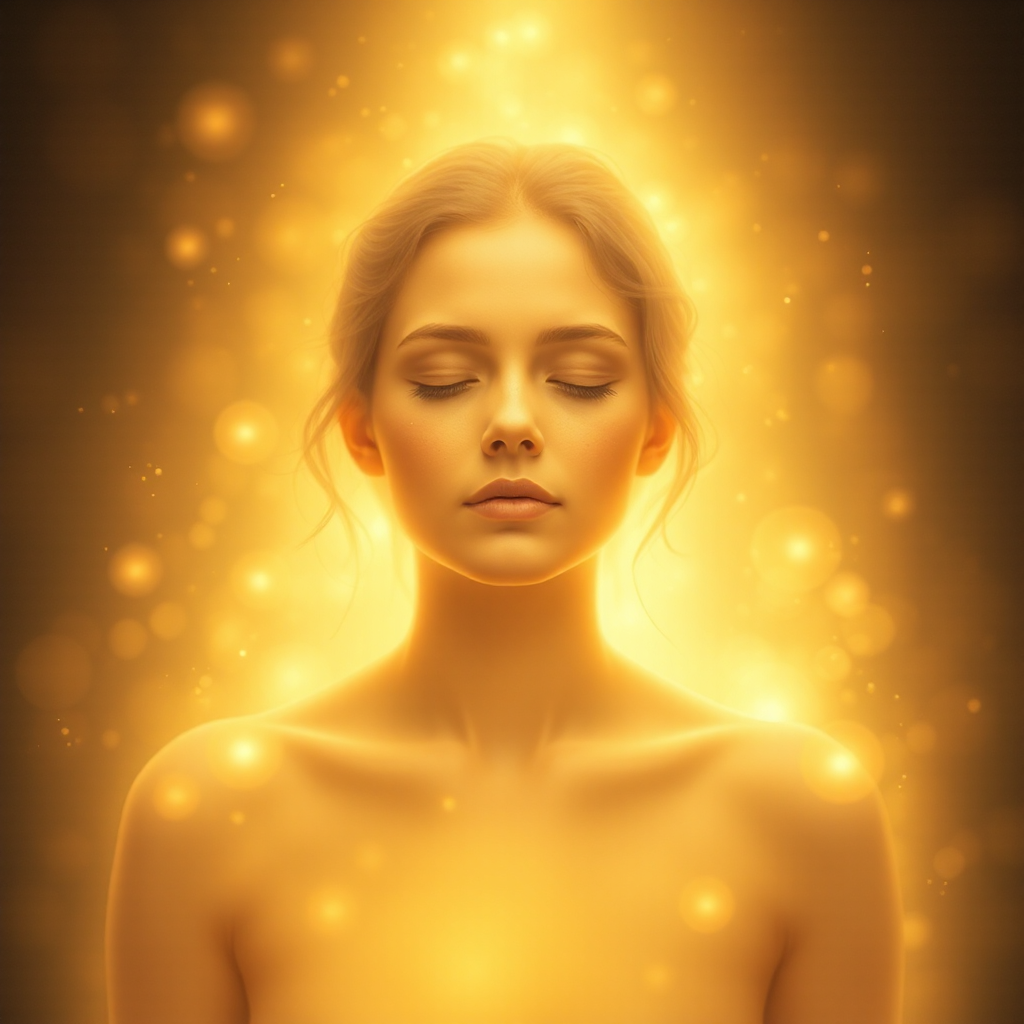
An aura is the subtle energetic field thought to radiate from your body, reflecting your emotional, mental, and spiritual state. Think of it less as a fixed halo and more as a weather system — always moving, shifting with your thoughts, your health, and the people around you. Many sensitive people sense it as warmth, pressure, or color rather than seeing it with their physical eyes.
Your aura isn’t a single shade. It often blends several colors at once, with one dominant tone that tends to express your core nature, and lighter passing hues that mirror your present mood. As your inner world changes, so does your field. If you’d like to perceive it yourself, our guide on how to see your aura walks you through simple practices.
A Guide to Each Aura Color’s Meaning
Use the list below as a starting point, not a rigid rulebook. The truest meaning of any color is the one that resonates with your own experience.
- Red — Vitality, passion, drive, and a grounded connection to the physical world. A vivid red often signals strength and courage; a muddy red can point to anger, stress, or unprocessed frustration that’s ready to be released.
- Orange — Creativity, warmth, and emotional intelligence. Orange auras tend to belong to adventurous, sociable people who thrive on connection and fresh experiences.
- Yellow — Optimism, clarity, and intellectual energy. A bright golden yellow suggests joy, confidence, and a sunny, generous spirit.
- Green — Healing, balance, and growth. Green is the color of the heart and of nature — a sign of compassion, renewal, and a deep desire to nurture others (and yourself).
- Blue — Calm, honesty, and clear communication. Blue auras often belong to peaceful, trustworthy people who speak their truth and soothe those around them.
- Indigo — Deep intuition and inner vision. Linked to the third eye, indigo points to sensitivity, psychic openness, and a rich inner life. If this is you, you may enjoy our piece on awakening your intuition.
- Violet — Spiritual awareness and visionary thinking. Often the rarest hue, violet suggests a strong link to higher consciousness and a search for meaning beyond the everyday.
- Pink — Unconditional love, tenderness, and gentleness. A steady pink reflects a loving, harmonious heart and a kind, affectionate nature.
- White — Purity, protection, and high spiritual attunement. A luminous white field can appear during periods of profound peace or awakening.
- Black — Often misunderstood. Rather than “evil,” black usually signals depletion, grief, or energy that needs clearing — a gentle nudge to rest and restore your field.
Why Your Aura Colors Change
Your dominant color may stay fairly consistent over the years, but the lighter shades flicker constantly. A stressful week might dull your field; a morning of meditation might brighten it. This is completely normal and actually helpful — it means your aura is a real-time feedback tool for your wellbeing.
When Colors Look Muddy or Dim
Cloudy, gray, or murky tones aren’t something to fear — they’re simply information. They often appear when you’re carrying stress, absorbing other people’s emotions, or running low on rest. If you frequently soak up the moods of those around you, you may want to explore whether you’re an empath, since highly sensitive people are especially prone to a heavy, congested field.
The good news: your aura responds quickly to care. Time in nature, deep breathing, salt baths, and intentional rest can lift a dull field within hours. For a focused reset, our guide on how to cleanse your aura offers simple, practical methods you can use today.
Auras and Your Chakras
Many people notice that their aura colors mirror their chakra energy. A vibrant green aura may accompany an open heart chakra, while a strong blue can reflect a clear throat chakra. When a particular color feels stuck, faded, or overwhelming, it can point you toward the energy center that’s asking for attention. Tending to your chakras and tending to your aura are really two sides of the same gentle practice.
How to Work With Your Aura Colors
You don’t need special gifts to benefit from this knowledge. Try these grounded steps:
- Notice your daily tone. Each morning, ask yourself which color you feel like today. Trust the first answer.
- Use color intentionally. Wear, visualize, or surround yourself with a color you want more of — soft blue for calm, warm gold for confidence.
- Track patterns. Keep a short journal. Over weeks, you’ll see how people, places, and habits shift your field.
- Restore regularly. Treat aura care like hygiene — gentle, consistent, and judgment-free.
Frequently Asked Questions
Can my aura have more than one color at the same time? Yes, almost always. Most people carry a dominant color that reflects their core nature, layered with lighter, shifting hues that mirror their current mood and circumstances.
Is a black aura a bad sign? Not at all. Black most often signals exhaustion, grief, or energy that needs clearing — never inherent negativity. It’s an invitation to rest and restore, not a reason for alarm.
Do aura colors really mean anything, or is it just imagination? Think of aura colors as a symbolic, intuitive language for your inner state. Whether you view them literally or as a reflective tool, paying attention to them can genuinely deepen your self-awareness and emotional clarity.