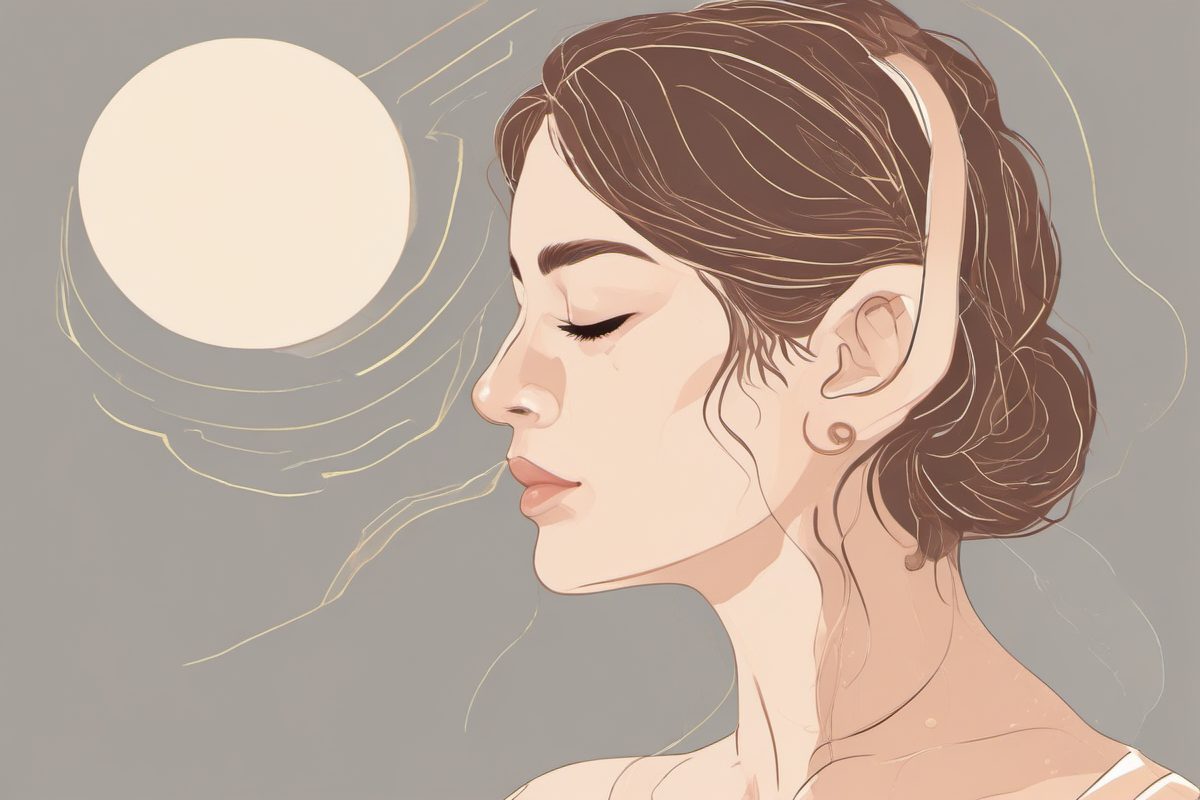
Have you ever walked into a room and instantly felt the mood shift inside you, even before anyone said a word? Or left a crowded place feeling completely drained, as though you’d carried everyone’s feelings home in your own body? If so, you may be an empath, someone whose nervous system is finely tuned to the emotional currents around them. Being an empath is not a flaw or a weakness. It’s a gift that, once you understand it, can become one of the most beautiful parts of who you are.
What Is an Empath, Really?
An empath is a person who experiences the emotions of others as if they were their own. While most people can feel sympathy or imagine how someone else feels, an empath actually absorbs that energy on a deeper, almost physical level. You don’t just notice that a friend is sad, you feel the heaviness in your own chest. This heightened sensitivity often overlaps with being a highly sensitive person, but empaths go a step further: they tune in to the unspoken emotional and energetic layer of every interaction.
The Most Common Signs You Are an Empath
No two empaths are exactly alike, but certain patterns show up again and again. See how many of these feel familiar:
- You feel other people’s emotions in your own body, sometimes before they even speak.
- Crowds, noisy places, and busy environments leave you exhausted and overstimulated.
- People are naturally drawn to you and open up, even strangers who say “I don’t know why I’m telling you this.”
- You have a low tolerance for conflict, violence, or even intense scenes in films and news.
- You need plenty of alone time to recharge after socializing.
- Your intuition is strong, you often “just know” things without logical explanation.
- You’re deeply affected by the moods of your partner, family, or coworkers.
- Nature, animals, and quiet spaces feel profoundly soothing to you.
- You struggle to say no and often put others’ needs ahead of your own.
- You can feel physically unwell when surrounded by negativity or tension.
- You have a deep sense of purpose around healing, helping, or comforting others.
If several of these resonated, your sensitivity is likely a core part of how you move through the world. Many empaths also notice their gifts intensifying during times of personal growth, something we explore in our guide to the physical symptoms of spiritual awakening.
The Different Types of Empaths
Empathy isn’t one-size-fits-all. You may recognize yourself in one type strongly, or in a blend of several:
- Emotional empath: You absorb the feelings of those around you and may confuse them with your own.
- Physical empath: You pick up on other people’s physical symptoms and aches, sometimes feeling them yourself.
- Intuitive empath: You receive clear gut knowing about people and situations. If this is you, learning to trust that inner signal is powerful, and our guide on how to awaken your intuition can help.
- Earth empath: You’re attuned to the planet, weather, and natural cycles, feeling shifts in the earth deeply.
- Plant and animal empath: You sense the needs and emotions of living things beyond humans.
Why Empaths Get Overwhelmed
Because you take in so much emotional information, your inner world can quickly become crowded. Without clear boundaries, you may end up carrying feelings that were never yours to begin with. Over time, this can lead to burnout, anxiety, resentment, or a sense of losing yourself in relationships. Many empaths also have rich inner lives and vivid dreams, and some even find that their sensitivity carries into sleep; if that sounds like you, you may enjoy exploring lucid dreaming for beginners as another way to understand your inner world. The good news is that being overwhelmed is not your permanent state, it’s simply a signal that you need better tools to manage your sensitivity. With a few consistent habits, you can stay open-hearted and connected without losing your footing or absorbing every emotion in the room.
How to Cope as an Empath
Coping well isn’t about shutting down your gift. It’s about learning to channel it so it serves you instead of depleting you. Try weaving these practices into your life:
- Create energetic boundaries. Decide what you will and won’t carry for others. Our guide to energetic boundaries for sensitive people offers practical scripts and visualizations.
- Learn to say no without guilt. Protecting your time is an act of self-respect, not selfishness, and you can practice setting boundaries without guilt.
- Cleanse your energy regularly. A simple shower visualization, salt bath, or smoke cleanse can help you release what isn’t yours. See how to cleanse your aura.
- Ground yourself daily. Walk barefoot on grass, breathe slowly, or place your hands on your heart to return to your own center.
- Limit your exposure. Curate your news, your social media, and the company you keep. You’re allowed to protect your peace.
- Schedule recovery time. Build solitude into your week the way you’d schedule any other essential appointment.
Frequently Asked Questions
Is being an empath the same as being a highly sensitive person? They overlap but aren’t identical. Highly sensitive people process stimulation deeply, while empaths specifically absorb the emotions and energy of others. Many empaths are also highly sensitive, but not every sensitive person is an empath.
Can you become an empath, or are you born one? Most empaths describe their sensitivity as something they’ve felt since childhood. That said, life experiences, healing, and spiritual growth can heighten your awareness over time, making your natural empathy more pronounced.
How do empaths protect their energy around negative people? The key is conscious boundaries: limiting contact when possible, visualizing protective light around you, and cleansing your energy afterward. For a complete approach, read our guide on how to protect your energy from negative people.