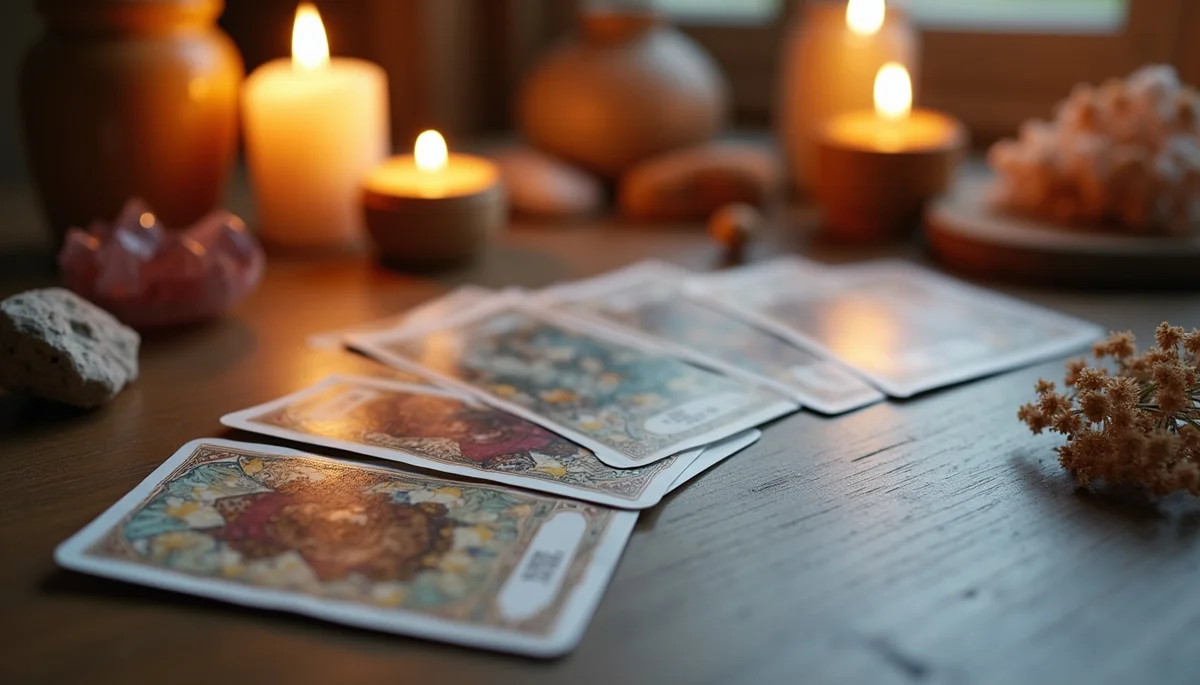
Candle meditation for beginners is one of the simplest ways to train attention, soften mental noise, and create a calm evening or morning ritual without needing complicated tools. Instead of trying to force the mind to become silent, you give your attention one steady visual anchor: the warm flame of a candle. The practice is gentle, sensory, and easy to personalize, which makes it especially helpful if traditional eyes-closed meditation feels difficult, restless, or too abstract.
In spiritual traditions, flame has long been associated with clarity, purification, prayer, and inner guidance. In practical mindfulness, the candle flame works because it gives the brain a clear point of focus. When thoughts wander, you simply notice the wandering and return to the flame. That repeated return is the training. Over time, candle meditation can support concentration, emotional regulation, and a more peaceful relationship with your own thoughts.
This guide explains how to practice candle meditation safely, what to expect as a beginner, how long to sit, which mistakes to avoid, and how to turn the practice into a meaningful ritual for focus and calm.
What Is Candle Meditation?
Candle meditation is a focused-attention practice where you sit comfortably and rest your gaze on a candle flame. It is sometimes connected with the yogic practice of trataka, a gazing meditation used to develop concentration and inner steadiness. For beginners, the goal is not to stare intensely or achieve a mystical experience. The goal is much simpler: to meet the present moment through one small point of light.
Unlike some forms of meditation that ask you to close your eyes immediately, candle meditation begins with the eyes open. This can feel easier for people who become sleepy, anxious, or distracted when they close their eyes. The flame gives the attention somewhere to land. Its movement is subtle enough to be calming, but alive enough to keep the mind engaged.
Think of the candle as a mirror for your attention. Some days the flame will feel peaceful, and your mind will settle quickly. Other days the same flame may reveal restlessness, impatience, or emotional heaviness. Both experiences are valid. Candle meditation is not about performing calmness; it is about practicing presence.
Benefits of Candle Meditation for Beginners
The benefits of candle meditation are both practical and symbolic. While a single session can feel relaxing, the deeper benefits usually come from consistent repetition. A short daily practice often works better than one long session once a month.
It Gives Your Mind a Clear Anchor
Many beginners struggle with the instruction to “just observe your thoughts” because the mind feels too busy. A candle flame creates a simple anchor. When the mind wanders to plans, memories, worries, or inner commentary, you can return to what is visible right now. This builds attention in a very direct way.
It Can Support Emotional Calm
Watching a steady flame can help the nervous system shift out of constant alertness. The practice invites slower breathing, less screen stimulation, and a quieter atmosphere. It is not a replacement for medical care, therapy, or professional support, but it can be a supportive self-care ritual for everyday stress.
It Builds Focus Without Force
Focus is often misunderstood as tension. In candle meditation, focus is softer. You are not gripping the flame with your eyes or trying to block every thought. You are repeatedly choosing one point of attention. That repetition builds mental discipline without harshness.
It Adds Meaning to Your Space
A candle can transform an ordinary corner into a small ritual space. This matters because environment influences behavior. When your body recognizes a consistent place, candle, and rhythm, it becomes easier to enter a calmer state. If you already enjoy spiritual rituals, you may also like morning rituals for positive energy as a complementary practice.
How to Prepare for Candle Meditation
Preparation should be simple. If the setup becomes too elaborate, you may avoid practicing. The best candle meditation space is safe, quiet, and easy to repeat.
Choose the Right Candle
Use a stable candle in a heat-safe holder. A simple unscented candle is often best, especially if strong fragrances distract you. If you enjoy scent, choose something gentle like lavender, sandalwood, or vanilla. Avoid placing spiritual pressure on the candle itself. The candle supports the practice; your attention does the work.
Create a Safe Setup
Place the candle at eye level or slightly below eye level, about an arm’s length away. Keep it away from curtains, papers, pets, children, loose sleeves, and anything flammable. Never meditate with a lit candle when you are too sleepy, and never leave the flame unattended. Safety is part of mindfulness.
Set the Atmosphere
Dim the lights if possible. Silence notifications. Sit on a chair, cushion, or folded blanket with your spine comfortable but not rigid. You may want a journal nearby to write down reflections afterward, especially if your practice brings up emotions or insights. For a broader reflective practice, explore these journaling prompts for self-discovery and healing.
Step-by-Step Candle Meditation Practice
This beginner practice takes about ten minutes. You can shorten it to five minutes or extend it gradually as your comfort grows.
Step 1: Arrive in Your Body
Sit comfortably and take three slow breaths. Feel the weight of your body supported by the chair, cushion, or floor. Relax your shoulders. Let your hands rest naturally. Before looking deeply at the flame, give yourself permission to stop rushing.
Step 2: Light the Candle With Intention
Light the candle slowly. You do not need a dramatic statement, but a short intention can help. For example: “I return to calm,” “I welcome clarity,” or “I practice presence.” The intention should feel supportive, not forced.
Step 3: Rest Your Gaze on the Flame
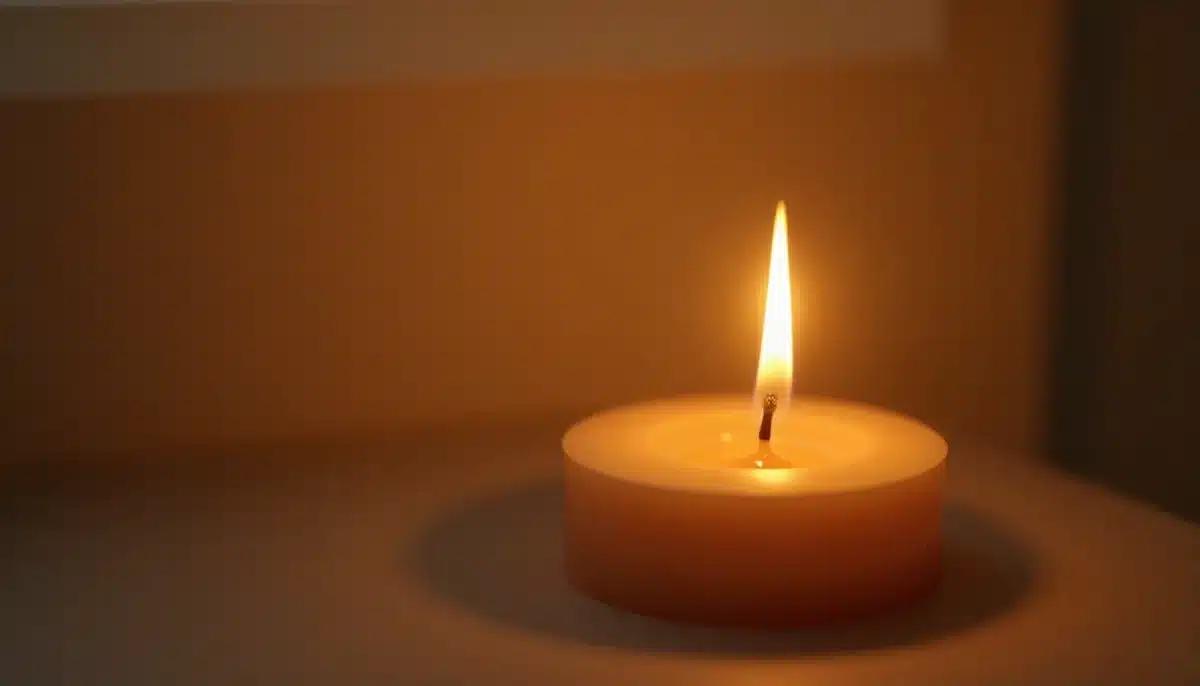
Look at the flame with a soft gaze. You do not need to stare aggressively. Notice the shape, color, movement, and glow. You may see blue near the base, gold in the center, and a soft aura around the light. Let the flame become your point of return.
Step 4: Notice Wandering Without Judgment
Your mind will wander. That is not failure; that is the practice. When you notice a thought, label it gently: “thinking,” “planning,” “remembering,” or “worrying.” Then return your gaze to the flame. Each return strengthens awareness.
Step 5: Breathe With the Flame
After a few minutes, let your breathing become part of the practice. Inhale gently as you notice the flame rising. Exhale as you imagine tension softening. Do not control your breath too much. Let it become slower naturally.
Step 6: Close Your Eyes Briefly
If it feels comfortable, close your eyes for thirty seconds and notice the afterimage of the flame behind your eyelids. Some people see a small point of light, color, or shadow. If this feels uncomfortable, simply open your eyes again. There is no need to force it.
Step 7: End With Gratitude
Before blowing out the candle, take one final breath and acknowledge yourself for practicing. You might write one sentence in a journal: “Today I noticed…” This helps turn meditation from a vague experience into a pattern of self-awareness.
How Long Should Beginners Practice?
Start with five to ten minutes. This is enough to build consistency without making meditation feel like another obligation. If you enjoy the practice, you can gradually increase to fifteen or twenty minutes. Longer is not always better. A short practice done with sincerity is more useful than a long practice filled with frustration.
If your eyes feel strained, stop. Blink naturally during the session. Traditional gazing practices sometimes include extended unblinking focus, but beginners do not need to do that. Comfort and safety come first.
Common Mistakes to Avoid
Candle meditation is simple, but a few common mistakes can make it less effective or less safe.
Trying to Empty the Mind Completely
The mind produces thoughts. Meditation does not require you to erase them. The real skill is noticing thoughts without being carried away by them. If you return to the flame many times, you are doing the practice correctly.
Using the Practice to Escape Feelings
Candle meditation can calm the body, but it should not become a way to suppress important emotions. If sadness, anger, grief, or fear appears, meet it with kindness. You can pause, journal, speak with someone you trust, or seek professional support when needed.
Practicing in an Unsafe Place
A candle is beautiful, but it is still fire. Do not place it near bedding, books, curtains, incense ash, or unstable surfaces. Do not practice when intoxicated or extremely tired. Extinguish the candle fully when finished.
Expecting Instant Spiritual Signs
Some people approach flame meditation expecting visions, messages, or dramatic signs. While meaningful insights can happen, expecting them often creates pressure. Let the practice be enough as it is. Calm attention is already valuable.

Candle Meditation and Spiritual Energy
From a spiritual perspective, candle meditation can represent inner light, purification, and devotion. The flame may remind you that awareness can remain present even when emotions move around it. You can use the practice before prayer, affirmations, oracle cards, or energy cleansing, as long as you stay grounded and practical.
If you enjoy energetic practices, candle meditation pairs naturally with aura cleansing methods or gentle breathwork. The candle can mark the beginning of a ritual, while your breath and attention bring the ritual into your body.
A Simple Intention Ritual
Before meditating, write one word on paper: clarity, peace, courage, patience, forgiveness, or focus. Place the paper near the candle, not under it or too close to the flame. During meditation, let the word guide your attention. At the end, ask yourself one question: “What would this quality look like in my next small action?”
When to Practice Candle Meditation
The best time is the time you can repeat. Morning practice can help set a peaceful tone for the day. Evening practice can help you transition away from screens and mental clutter. Some people use candle meditation before journaling, before sleep, or after work as a symbolic reset.
If you practice before bed, keep the session short and remain alert enough to extinguish the candle safely. If you tend to fall asleep quickly, use a battery-powered candle instead. The spiritual meaning of the ritual comes from your attention, not from taking unnecessary risks.
Can You Use a Battery-Powered Candle?
Yes. A real flame has a natural movement that many people find soothing, but a battery-powered candle can still work as a focus object. It is especially useful for dorm rooms, shared spaces, travel, fire-sensitive environments, or bedtime routines. If it helps you practice consistently and safely, it is valid.
How Candle Meditation Supports Mindfulness
Mindfulness is the ability to notice what is happening now with less resistance and more clarity. Candle meditation trains this directly. You see the flame, notice thoughts, feel the breath, and return. That loop can change how you relate to daily stress. Instead of automatically reacting, you may learn to pause.
Research organizations such as the National Center for Complementary and Integrative Health describe meditation and mindfulness as practices that may support well-being for some people, while also noting that they should be used thoughtfully. For accessible mental health education, the American Psychological Association also discusses meditation as a skill that can influence attention and stress responses.
A 7-Day Candle Meditation Plan for Beginners
If you want structure, try this gentle seven-day plan. Keep each session short and realistic.
Day 1: Five Minutes of Soft Gazing
Simply sit and look at the flame. Notice how often your mind wanders. No judgment.
Day 2: Add Three Grounding Breaths
Begin with three slow breaths before lighting the candle. Let your body arrive first.
Day 3: Use One Intention Word
Choose one word such as calm, clarity, trust, or focus. Return to it when your mind wanders.
Day 4: Journal Afterward
Write three sentences after the practice: what you noticed, what you felt, and what you need.
Day 5: Practice During a Transition
Use candle meditation after work, after studying, or before your evening routine. Let it become a bridge.
Day 6: Close Your Eyes Briefly
Try thirty seconds with your eyes closed after gazing. Notice the inner image of the flame if one appears.
Day 7: Reflect on Your Experience
Ask yourself: Did my focus change? Did I feel calmer? What time of day worked best? Use your answers to design a sustainable routine.
Final Thoughts: Let the Flame Teach You to Return
Candle meditation for beginners is powerful because it is simple. You light a candle, sit down, breathe, look, wander, notice, and return. That return is the heart of the practice. It teaches you that calm is not something you must chase perfectly. Calm can be revisited, one breath and one moment at a time.
Whether you approach the flame as a mindfulness tool, a spiritual symbol, or a peaceful evening ritual, let the practice stay gentle. Begin with a few minutes. Keep the space safe. Let your attention soften. Over time, the small flame in front of you may become a reminder of the steadier light within you.