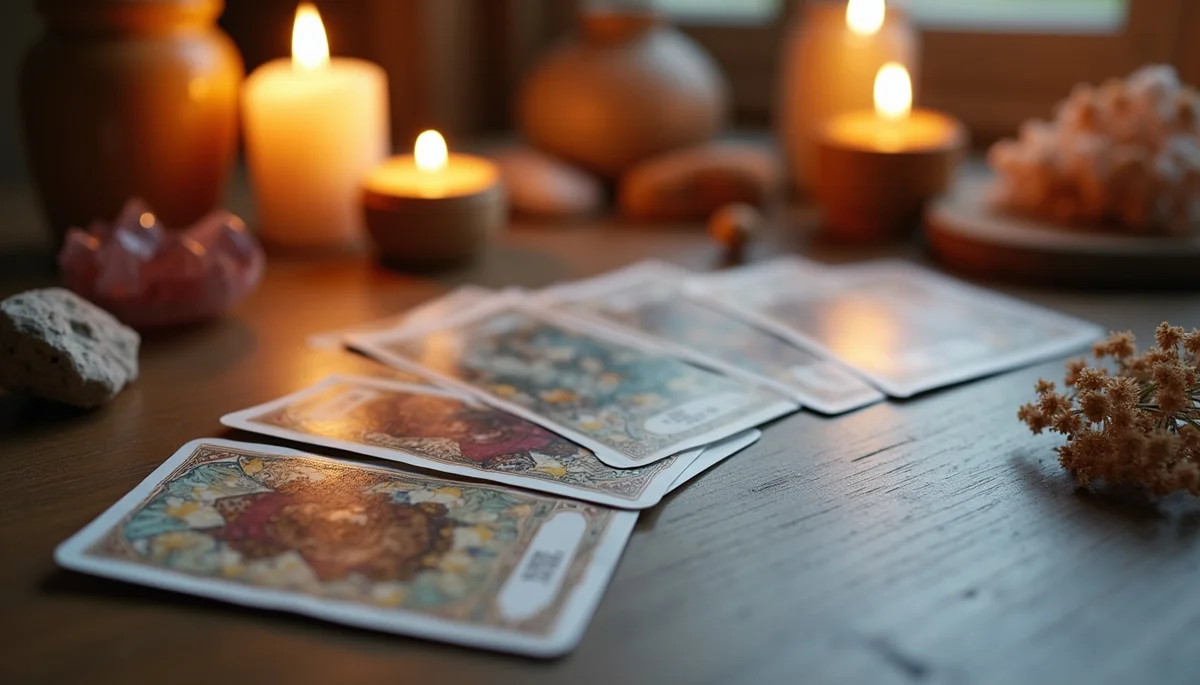
Energetic boundaries for sensitive people are not walls. They are loving agreements with yourself about what you allow into your attention, your emotions, your schedule, and your spirit. If you often feel drained after conversations, crowded places, social media, family expectations, or other people’s moods, you are not “too much” or “too fragile.” You may simply be receiving more than you have been taught to filter.
Sensitive people often notice subtle shifts quickly. You may sense tension before anyone says a word. You may absorb the energy of a room. You may replay conversations long after they end. This awareness can be a gift, but without boundaries it can become exhausting. Protecting your peace is the practice of honoring that gift without letting it consume you.
This guide offers practical, grounded, and spiritually friendly ways to protect your energy. You do not need to disappear from the world, become cold, or explain yourself endlessly. You can stay open-hearted and still be clear. You can care deeply and still choose peace.
What Are Energetic Boundaries?
Energetic boundaries are the invisible limits that help you understand where your emotional world ends and someone else’s begins. They influence how much access people have to your time, your nervous system, your attention, and your inner calm.
A healthy energetic boundary sounds like: “I can love you without carrying your stress.” It feels like: “I can listen without becoming responsible for fixing everything.” It looks like: “I can pause before answering, leave when I need rest, and choose environments that support my wellbeing.”
These boundaries are not about judging others. They are about protecting the sacred space inside you where clarity, intuition, creativity, and joy live. When that space is constantly invaded by urgency, drama, noise, or guilt, it becomes harder to hear your own truth.
Signs Your Energy Needs Stronger Boundaries
You may need stronger boundaries if you frequently feel emotionally tired after normal interactions. Another sign is resentment. Resentment often appears when you keep saying yes while your body, mind, or spirit is quietly saying no.
- You feel responsible for everyone’s mood.
- You need a long recovery period after social plans.
- You answer messages quickly because you fear disappointing people.
- You over-explain your choices.
- You feel guilty when you rest.
- You attract people who vent but rarely ask how you are.
- You lose focus because other people’s problems occupy your mind.
- You feel heavy, foggy, or disconnected after certain conversations.
None of these signs mean something is wrong with you. They are signals. Your inner system is asking for cleaner limits, more silence, and a more respectful relationship with your own energy.
Why Sensitive People Absorb So Much
Sensitivity is often linked with empathy, intuition, observation, creativity, and depth. Sensitive people may process emotional information more intensely. They may notice facial expressions, tone changes, body language, and atmosphere. In spiritual language, you might say they have a porous field. In everyday language, they are highly receptive.
The challenge is not sensitivity itself. The challenge is unfiltered sensitivity. A window is beautiful because it lets in light, but a home still needs curtains, doors, and locks. Your heart can be open while your energy remains protected.
Many sensitive people learned early that being agreeable kept the peace. They became skilled at reading others because it helped them feel safe. As adults, this can become a habit of scanning, pleasing, anticipating, and absorbing. Energetic boundaries gently interrupt that pattern and return you to yourself.
A Morning Practice to Set Your Energy
The way you begin your day matters. If the first thing you do is reach for your phone, your energy may immediately be shaped by other people’s needs, opinions, and emotions. A short morning boundary practice gives you a chance to claim your own frequency before the world speaks.

Try this simple three-minute ritual:
- Place one hand on your heart and one on your lower belly.
- Take five slow breaths, letting your shoulders soften.
- Say: “My energy belongs to me. I can be kind without absorbing what is not mine.”
- Imagine warm light around your body, not as a wall, but as a clear boundary of peace.
- Choose one word for the day, such as calm, trust, patience, courage, or clarity.
This practice is simple, but it creates a powerful internal reference point. Throughout the day, when you feel pulled into chaos, you can return to that word and that breath.
The Difference Between Compassion and Carrying
One of the most important lessons for sensitive people is this: compassion does not require carrying. You can witness someone’s pain without making it your identity. You can support someone without abandoning yourself. You can be present without becoming consumed.
Compassion says, “I care about what you are experiencing.” Carrying says, “I must fix this or I am not a good person.” Compassion opens the heart. Carrying tightens the chest, creates anxiety, and often leads to burnout.
When someone shares something heavy, pause before responding. Ask yourself: “What is mine to offer, and what is not mine to hold?” Sometimes your role is to listen. Sometimes your role is to encourage professional support. Sometimes your role is to step back because the conversation has become repetitive, draining, or one-sided.
How to Say No Without Closing Your Heart
Saying no can feel uncomfortable if you have connected love with availability. But a kind no is often more honest than a resentful yes. Boundaries do not make you less loving. They make your love cleaner.

Here are a few gentle phrases you can use:
- “I care about you, but I don’t have the capacity for this conversation today.”
- “I need some quiet time before I respond.”
- “That doesn’t work for me, but I hope you find the right support.”
- “I’m not available for last-minute plans this week.”
- “I hear you, and I also need to take care of myself.”
You do not need to add a long legal argument after every boundary. Simple is powerful. The more you over-explain, the more you may invite negotiation. A calm, respectful sentence is enough.
Digital Boundaries Protect Spiritual Energy Too
Your phone is an energetic doorway. Every notification asks for attention. Every feed can change your mood. Every message creates an invitation to react. If you are sensitive, digital boundaries are not optional; they are a form of spiritual hygiene.
Start with small changes. Turn off nonessential notifications. Create message-free blocks in the morning and before sleep. Unfollow accounts that leave you feeling anxious, inadequate, angry, or scattered. Save inspiring content, but do not let inspiration become another form of overload.
Before opening an app, ask: “Why am I here?” If the answer is boredom, avoidance, or emotional checking, take one breath and choose consciously. This tiny pause helps you become the gatekeeper of your attention.
Grounding After Difficult Interactions
Even with strong boundaries, some interactions will affect you. The goal is not to become untouchable. The goal is to know how to come home to yourself quickly.
After a draining conversation, try a grounding reset. Wash your hands slowly and imagine the heaviness leaving with the water. Step outside and notice five details: the color of the sky, the texture of a wall, the sound of birds, the temperature of the air, the feeling of your feet on the ground. Drink water. Stretch your neck and shoulders. Put on calming music. Write one sentence: “What I feel right now is mine to process, not mine to become.”
Grounding works because it brings your awareness back into your body and the present moment. Anxiety often pulls you into stories. Grounding returns you to reality.
Create a Peace Audit
A peace audit is a simple review of what gives energy and what drains it. Once a week, make two columns in your journal: “Nourishing” and “Draining.” Be honest. Do not judge yourself for what appears.
Under nourishing, you might list walking, prayer, meditation, music, deep conversations, clean spaces, supportive friends, reading, sunlight, or creative work. Under draining, you might list gossip, clutter, rushed mornings, certain group chats, unclear plans, overcommitting, or saying yes too quickly.
Then choose one adjustment. Not ten. One. Maybe you leave a group chat muted. Maybe you stop checking messages after 9 p.m. Maybe you schedule one evening with no plans. Energetic boundaries become sustainable when they are practical and repeatable.
Protecting Peace in Relationships
Healthy relationships respect your boundaries. They may need time to adjust, especially if you have always been the available one, but they do not punish you for having needs. If someone consistently mocks, ignores, or attacks your boundaries, that is information.
Start by communicating with warmth and clarity. For example: “I’m practicing taking better care of my energy, so I may not respond immediately. It doesn’t mean I don’t care.” This helps loving people understand the change.
At the same time, remember that boundaries are not requests for others to become different. They are decisions about your own behavior. You cannot control whether someone understands. You can control how often you engage, how long you stay, and what access you give.
A Simple Visualization for Energetic Protection
Visualization can be a helpful tool when used as a grounding practice rather than a way to escape reality. Sit comfortably. Close your eyes. Imagine a clear, soft light around your body. Let it be flexible, breathable, and calm. It allows love, wisdom, and support to enter. It filters out pressure, manipulation, urgency, and emotional noise.
Now imagine roots from your feet reaching into the earth. With each inhale, receive steadiness. With each exhale, release what does not belong to you. Say quietly: “I am safe to be connected. I am safe to be separate.”
This visualization is especially useful before meetings, family visits, crowded places, or emotionally intense conversations.
Boundaries Are a Practice, Not a Personality Change
You do not need to become a different person to protect your peace. You do not need to become less tender, less generous, or less spiritual. You are simply learning to include yourself in your circle of care.
At first, boundaries may feel awkward. You may feel guilty. Some people may be surprised. That does not mean you are doing something wrong. It means you are creating a new pattern. Over time, your nervous system learns that peace is not selfish. Peace is the foundation from which your best love, creativity, and intuition can flow.
Final Thoughts
Protecting your peace is not about avoiding life. It is about meeting life from a centered place. Sensitive people are not here to absorb every emotion in the room. They are here to bring depth, beauty, compassion, and awareness into the world. Those gifts need protection.
Begin gently. Choose one boundary today. Take one breath before saying yes. Give yourself one quiet morning. Leave one conversation before it drains you. Protecting your peace is built through small, sacred choices repeated with love.
FAQ
What are energetic boundaries?
Energetic boundaries are personal limits that help you protect your emotional, mental, and spiritual energy. They help you stay compassionate without absorbing other people’s stress or expectations.
How can sensitive people stop absorbing negative energy?
Start with daily grounding, clear communication, digital limits, and recovery rituals after difficult interactions. The goal is not to block all feeling, but to return to yourself more quickly.
Is it selfish to protect my peace?
No. Protecting your peace helps you show up with more honesty and less resentment. Healthy boundaries make your care more sustainable.
What is a simple boundary phrase I can use today?
Try: “I care, but I don’t have the capacity for this right now.” It is kind, clear, and does not over-explain.