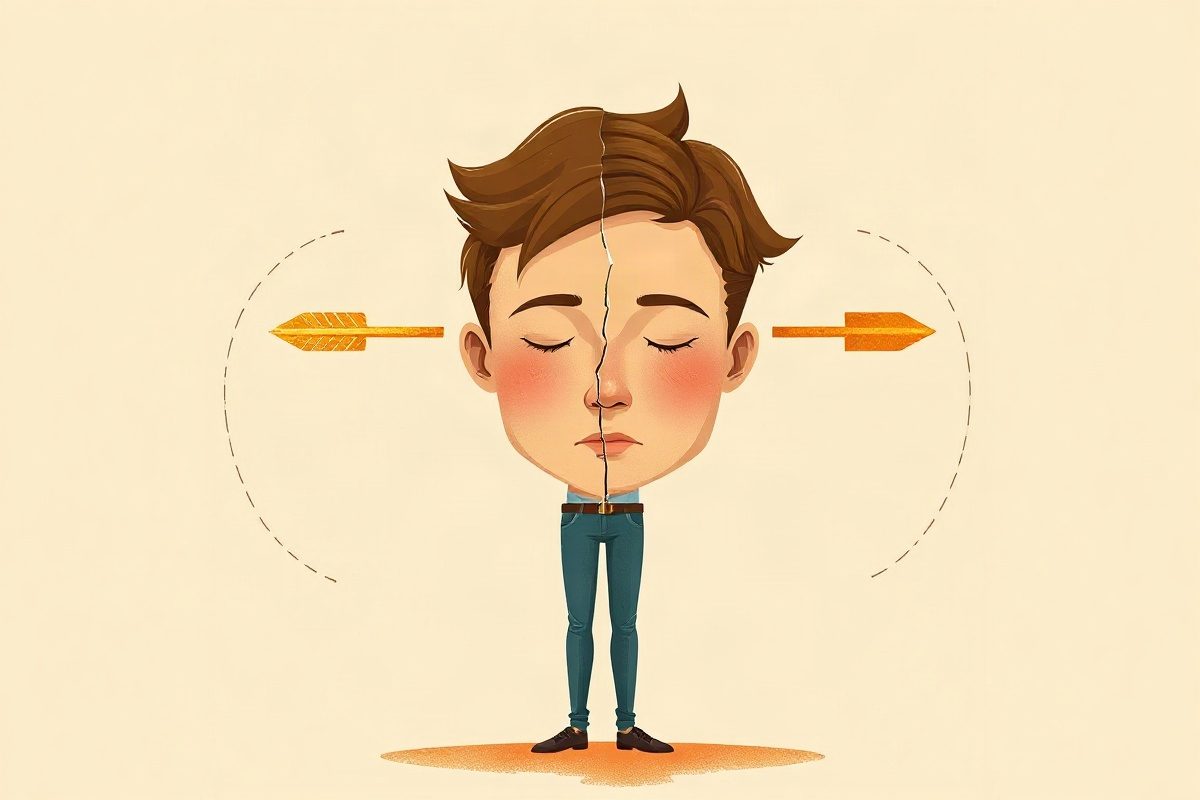
Have you ever noticed that the harder you grip something, the more it slips through your fingers? Whether it is a relationship, a career outcome, or the need for certainty, our instinct to control often creates the very suffering we are trying to avoid. Surrender is not giving up. It is choosing to trust the process of life instead of forcing every outcome. In this guide, we will explore what true surrender means, why letting go of control is one of the most powerful things you can do for your peace, and practical steps to practice surrender in your everyday life.
What Does Surrender Really Mean?
Surrender is one of the most misunderstood concepts in personal development. Many people confuse it with passivity, weakness, or resignation. But true surrender is none of those things.
Surrender Is Not Giving Up
Giving up means you stop caring. Surrender means you still care deeply, but you release your attachment to a specific outcome. You stop trying to force reality into the shape you think it should take, and instead allow it to unfold naturally.
Think of it like floating in water. When you thrash around and try to control every movement, you sink. When you relax and let the water hold you, you float effortlessly. The water has not changed. Your relationship to it has.
The Difference Between Control and Influence
There is an important distinction between controlling and influencing. You can influence your life through your choices, habits, and mindset. But you cannot control other people, circumstances, or the future. Surrender is recognizing where your influence ends and where trust must begin.
When you try to control what is beyond your reach, you create anxiety, frustration, and burnout. When you focus on what you can influence and surrender the rest, you create space for peace, clarity, and unexpected opportunities.
Why We Crave Control
Understanding why we cling to control is the first step toward releasing it. Our need for control is deeply rooted in our psychology and biology.
The Illusion of Safety
Control feels safe. If you can predict what will happen, plan every detail, and manage every variable, then nothing can hurt you — or so the thinking goes. But this is an illusion. Life is inherently uncertain, and no amount of planning can eliminate that uncertainty.
Research in psychology shows that the illusion of control is one of the most common cognitive biases. We overestimate how much influence we have over outcomes, and this overestimation can lead to poor decisions and increased anxiety when things inevitably do not go as planned.
Fear of the Unknown
Beneath the need for control is usually fear. Fear of the unknown, fear of failure, fear of rejection, fear of loss. Control is a coping mechanism — a way to manage uncomfortable emotions by creating a sense of predictability.
But fear and control feed each other in an endless loop. The more you try to control, the more anxious you become about what you cannot control. The more anxious you become, the harder you grip. Breaking this cycle requires a willingness to sit with discomfort rather than trying to eliminate it through control.
Perfectionism and Control
Perfectionism is control dressed up as excellence. Perfectionists do not just want things to be good — they want things to be flawless, predictable, and free from risk. This drive for perfection creates enormous internal pressure and leaves little room for the spontaneity, creativity, and joy that make life meaningful.
Surrender offers an alternative: doing your best and releasing attachment to the result. This does not mean settling for mediocrity. It means giving your full effort while accepting that the outcome is not entirely in your hands.
The Hidden Costs of Over-Controlling
The need for control does not just limit your peace — it actively damages your well-being, relationships, and quality of life.
Mental and Emotional Exhaustion
Constantly monitoring, planning, worrying, and adjusting is exhausting. Your brain was not designed to manage every variable of your life. When you operate in hyper-control mode, your nervous system stays in a state of low-grade fight-or-flight, which over time leads to chronic stress, anxiety, and burnout.

Damaged Relationships
Control does not just affect you — it affects the people around you. Micromanaging a partner, over-directing your children, or refusing to delegate at work erodes trust and creates resentment. The people in your life need space to be themselves, and when you try to control them, you push them away.
Missed Opportunities
When you are locked into a specific plan or outcome, you become blind to alternatives. Some of the best things in life arrive through unexpected doors — a chance conversation, a detour, a failure that turns into a stepping stone. Control narrows your vision. Surrender widens it.
Physical Health Consequences
Chronic stress from over-controlling does not just affect your mood. It impacts your physical health. Elevated cortisol levels, poor sleep, digestive issues, weakened immunity, and tension headaches are all linked to the sustained stress response that comes from trying to manage what cannot be managed.
The Freedom in Letting Go
When you practice surrender, something remarkable happens. The grip loosens, the anxiety softens, and a deeper kind of peace begins to emerge.
Trusting the Process
Trusting the process does not mean being naive or passive. It means recognizing that life has a wisdom of its own — that sometimes the things we resist are exactly what we need, and that the detours often lead us somewhere better than the original destination.
Consider how many times in your life a disappointment, a rejection, or a closed door eventually led to something better. That is the process at work. Surrender is making room for that wisdom instead of blocking it with rigidity.
Embracing Uncertainty as Opportunity
Uncertainty is not the enemy. It is the space where possibility lives. When you release the need to know exactly what will happen, you open yourself to surprise, creativity, and growth. Many of the most meaningful experiences in life are the ones you never planned.
Reframing uncertainty from threat to opportunity is one of the most powerful shifts you can make. Instead of asking, “What if something goes wrong?” try asking, “What if something wonderful happens?”
The Paradox of Control
Here is the great paradox: the more you try to control your life, the less peaceful it becomes. The more you surrender, the more peace you find. Control promises safety but delivers anxiety. Surrender feels risky but delivers freedom.
This is not just philosophy — it is backed by research. Studies on psychological flexibility show that people who can adapt, accept, and let go of rigid expectations experience significantly higher well-being than those who cling to control.
How to Practice Surrender in Everyday Life
Surrender is not a one-time decision. It is a daily practice — a skill that deepens over time. Here are practical ways to cultivate surrender in your life.
1. Identify Where You Are Gripping Too Tight
Start by noticing where control is running the show. Ask yourself:
- What am I holding onto that is causing me stress?
- Where am I trying to force an outcome?
- What would happen if I loosened my grip on this situation?
Write down your answers. Awareness is the foundation of change.
2. Use the Circle of Control Exercise
Draw two concentric circles. In the inner circle, write what you can control — your actions, your words, your attitude, your effort. In the outer circle, write what you cannot control — other people’s opinions, the economy, the weather, the past.
Whenever you feel anxious or overwhelmed, revisit this exercise. Remind yourself that your power lives in the inner circle. Everything else requires surrender.
3. Practice Micro-Surrenders Daily
You do not need to surrender everything at once. Start small:
- Let someone else choose the restaurant tonight
- Leave a message without checking if it was read
- Begin your day without a rigid schedule for one morning
- Accept a compliment without deflecting it
These small acts of letting go build your surrender muscle gradually.
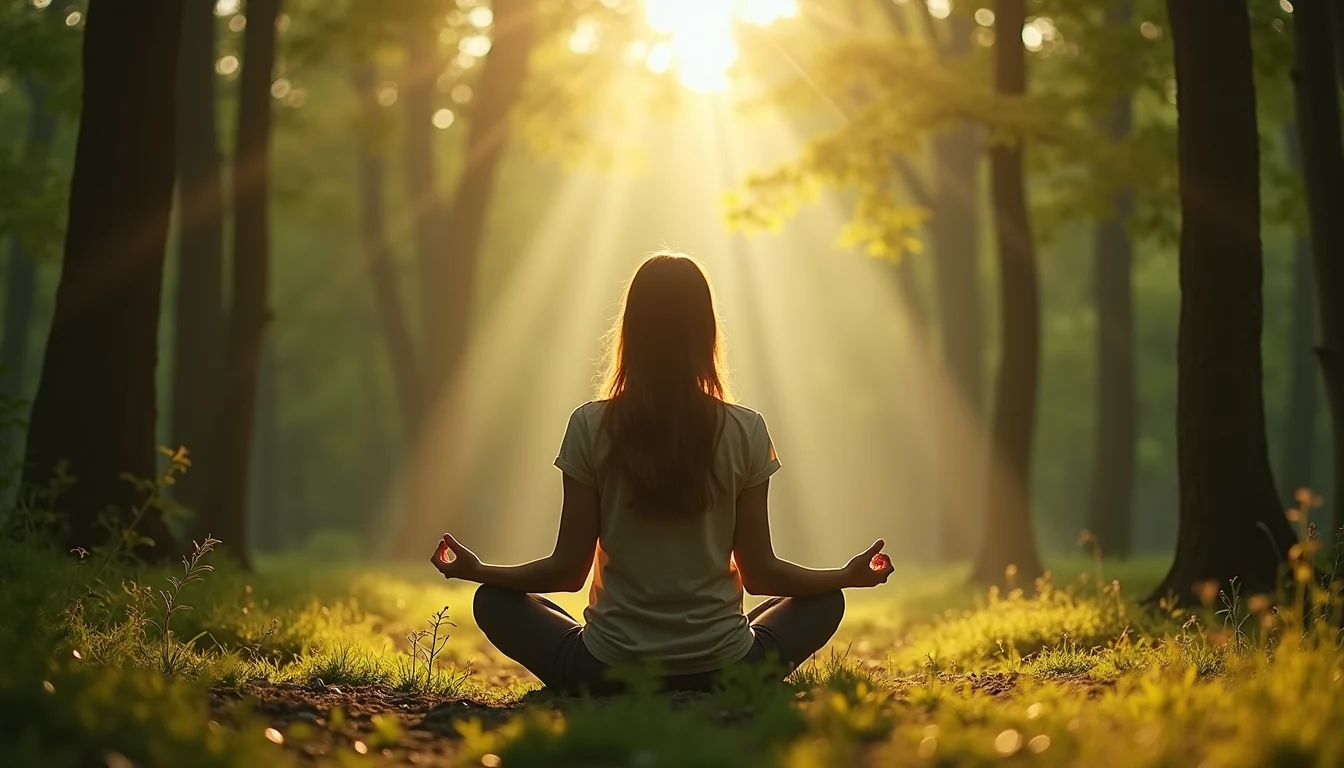
4. Reframe Your Inner Dialogue
Pay attention to the language of control in your thoughts. Phrases like “I have to,” “I must,” “This should,” and “They need to” are often signs of rigidity. Replace them with softer alternatives:
- “I have to” → “I choose to”
- “This should” → “I would prefer”
- “They need to” → “I would like it if they”
This is not about lowering your standards. It is about softening the grip of expectation so that life can breathe.
5. Sit With Discomfort Instead of Fixing It
One of the hardest parts of surrender is tolerating the discomfort of not knowing, not fixing, and not controlling. When you feel the urge to intervene, pause. Take three deep breaths. Ask yourself: “Is this something I need to act on, or is this something I need to allow?”
Often, the answer is to allow. Discomfort is not dangerous. It is a signal that you are growing beyond your comfort zone.
6. Release Attachment to Outcomes
This does not mean you stop setting goals or working toward what you want. It means you hold your goals lightly. You pursue them with full effort and open hands. If things do not go as planned, you adapt rather than collapse.
A powerful mantra for this practice: “I do my best and trust the rest.”
7. Cultivate Gratitude for What Is
Gratitude is the antidote to control. When you are focused on what you are thankful for in the present moment, you are not obsessing about what should be different. A daily gratitude practice — even just three things each morning — shifts your attention from what is missing to what is already here.
Surrender in Specific Areas of Life
In Relationships
Healthy relationships require a balance of effort and surrender. You can show up authentically, communicate honestly, and invest in connection — but you cannot control how the other person feels, thinks, or responds. Surrendering in relationships means loving without conditions and accepting people as they are, not as you want them to be.
In Career and Ambition
You can work hard, develop your skills, and pursue opportunities. But the timing of a promotion, the outcome of a pitch, or the direction of your industry may be beyond your control. Surrendering in your career means giving your best effort and being open to where the path leads, even when it diverges from your original plan.
In Health and Body
You can eat well, exercise, and rest. But bodies change, illnesses arise, and aging is inevitable. Surrendering in health means doing what you can and accepting what you cannot change — without self-judgment or endless comparison.
In Grief and Loss
Grief is the ultimate teacher of surrender. You cannot control loss, reverse time, or force yourself to heal on a schedule. Grief asks you to feel everything without trying to fix it. In that willingness to be present with pain, surrender becomes not just a practice but a profound act of love — for yourself and for whoever you have lost.
The Spiritual Dimension of Surrender
Across spiritual traditions, surrender is not just a psychological tool — it is a path to transformation.
Surrender in Buddhism
In Buddhism, the concept of non-attachment is central. Suffering arises from clinging — to desires, to identity, to outcomes. Letting go of attachment does not mean you stop caring. It means you stop grasping. The Buddhist practice of mindfulness cultivates this letting go moment by moment.
Surrender in Christianity
The Christian tradition speaks of surrender as trusting in God’s will. “Not my will, but Yours” is the ultimate prayer of release. This form of surrender is not passive resignation but active trust — a belief that there is a larger wisdom at work beyond your understanding.
Surrender in Sufism
The Sufi tradition embraces “fana” — the dissolution of the ego into the divine. This is surrender at its most radical: letting go of the separate self entirely to merge with something greater. Sufi poetry, particularly the work of Rumi, is filled with imagery of surrender as the path to union and bliss.
Surrender in Taoism
The Taoist concept of “wu wei” — effortless action — is perhaps the most elegant expression of surrender. It does not mean doing nothing. It means acting in harmony with the natural flow of life rather than pushing against it. Like water carving through rock, wu wei achieves results without force.
Common Misconceptions About Surrender
“Surrender Means I Do Not Care”
False. Surrender means you care enough to release what you cannot control. It takes more strength to let go than to grip tighter.
“Surrender Is Only for Spiritual People”
Not at all. Surrender is a practical skill that benefits anyone — whether you are spiritual, secular, religious, or somewhere in between. It is about how you relate to uncertainty and outcomes, not about any particular belief system.
“If I Surrender, I Will Lose Everything”
This is fear speaking. In reality, most people who practice surrender find that they gain more than they lose. They gain peace, presence, and the ability to enjoy what they already have instead of constantly striving for what they think they need.
A Daily Surrender Practice
If you want to make surrender a daily habit, here is a simple framework:
- Morning Intention: Before you start your day, say to yourself: “Today, I will do my best and release the rest.”
- Midday Check-In: At lunch, pause and ask: “Where am I gripping too tight right now?” Breathe into that area and let go.
- Evening Reflection: Before bed, write down one thing you surrendered today and how it felt. Notice the freedom that comes with each release.
Over time, this practice rewires your nervous system. Your default shifts from control to trust, from tension to ease, from resistance to flow.
Conclusion: The Peace That Waits on the Other Side
Letting go of control is not easy. It requires courage, patience, and a willingness to sit with discomfort. But on the other side of that discomfort is a kind of peace you cannot achieve through willpower alone — the peace that comes from trusting yourself, trusting life, and knowing that you do not have to carry everything on your own shoulders.
Surrender is not the absence of effort. It is the presence of trust. And trust, once cultivated, becomes the foundation for a life that feels less like a battle and more like a dance.
You do not need to have all the answers. You do not need to control every outcome. You just need to take the next step and let the path reveal itself.