Have you ever noticed how a particular song can instantly shift your mood, or how the gentle hum of singing bowls seems to melt away tension in your body? That is not a coincidence. Sound has been used as a healing tool for thousands of years, and modern science is finally catching up with what ancient civilizations always understood: specific frequencies and vibrations can profoundly transform your mind, body, and spirit.
Sound healing is an ancient practice that uses therapeutic tones, rhythms, and vibrations to promote deep relaxation, reduce stress, and support overall well-being. From Tibetan singing bowls and crystal bowls to tuning forks, gongs, and binaural beats, the world of sound healing offers a diverse range of tools and techniques that can help you achieve mental clarity, emotional balance, and physical healing. When combined with practices like journaling for self-discovery and healing, the results can be truly transformative.
In this comprehensive guide, we will explore the science behind sound healing, the most powerful frequencies used in therapeutic practice, and practical ways to incorporate sound healing into your daily life.
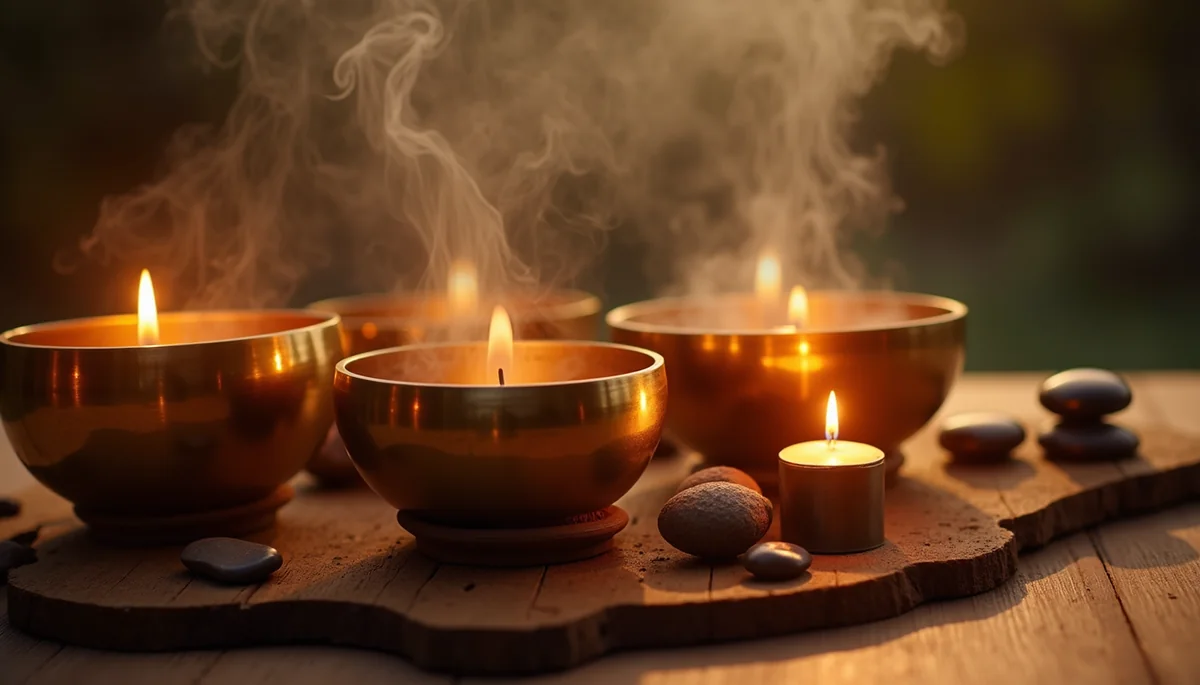
What Is Sound Healing and How Does It Work?
Sound healing, sometimes called sound therapy or vibrational medicine, is a holistic practice that uses sound frequencies to influence the physical, emotional, and energetic state of the body. The fundamental principle is simple yet profound: everything in the universe, including the human body, is in a constant state of vibration.
When your body and mind are healthy, they vibrate at their natural, harmonious frequencies. However, stress, trauma, illness, and negative emotions can disrupt these frequencies, creating what practitioners call dissonance or energetic imbalance. Sound healing works by introducing specific, therapeutic frequencies that help restore the body to its natural resonant state.
This process is based on a phenomenon called entrainment, which was first documented by Dutch scientist Christiaan Huygens in the 17th century. Entrainment occurs when two oscillating bodies gradually synchronize their rhythms. When you expose your body to the steady, calming frequency of a singing bowl or tuning fork, your brainwaves, heart rate, and even cellular vibrations naturally begin to align with that frequency.
The Science of Entrainment
Entrainment is not just a spiritual concept. It is a measurable physical phenomenon. Your brain naturally entrains to rhythmic stimuli, which is why listening to a steady drumbeat can alter your consciousness or why the ticking of a clock can influence your perception of time. This same principle underlies many morning rituals for positive energy that incorporate rhythmic elements.
In sound healing, the practitioner introduces a stable, therapeutic frequency, and your nervous system gradually shifts to match it. This is why a sound bath can take you from a state of anxiety and mental chatter to deep relaxation within minutes. Your brainwaves slow down, your breathing becomes more regular, and your body enters a parasympathetic state where true healing can occur.
The Most Powerful Healing Frequencies
Not all sound is created equal when it comes to healing. Over centuries of practice and decades of modern research, certain frequencies have emerged as particularly effective for specific therapeutic purposes. Here are the most widely used and studied healing frequencies.
Solfeggio Frequencies: The Ancient Scale of Healing
The Solfeggio frequencies are a set of specific tones that trace back to medieval Gregorian chants. These frequencies were largely forgotten for centuries until Dr. Joseph Puleo rediscovered them in the 1990s through a system of numerology derived from the Book of Numbers in the Bible. Each frequency in the Solfeggio scale is believed to target a specific area of healing, much like how understanding the spiritual meanings of moon phases can guide your intentions.
396 Hz is associated with releasing fear, guilt, and anxiety. When you listen to this frequency, it is said to help dissolve the emotional patterns that keep you trapped in cycles of worry and self-doubt. Many practitioners use 396 Hz at the beginning of a sound healing session to help clients let go of emotional baggage.
417 Hz focuses on facilitating change and undoing negative situations. This frequency is often used to help people break free from destructive habits, toxic relationships, or limiting belief systems. It supports the process of transformation by clearing energetic blockages that resist change.
528 Hz is perhaps the most famous of all Solfeggio frequencies. Often called the Love Frequency or the Miracle Tone, 528 Hz is associated with DNA repair, transformation, and miracles. Research published in the Journal of Biological Regulators and Homeostatic Agents has explored how 528 Hz can influence the expression of stress-related genes. Whether or not it literally repairs DNA, countless practitioners and clients report profound experiences of emotional release and physical renewal when exposed to this frequency.
639 Hz enhances connection, understanding, and harmonious relationships. This frequency is used to heal interpersonal relationships, foster empathy, and strengthen community bonds. If you are experiencing conflict in a relationship, 639 Hz meditation may help open your heart to compassion and understanding.
741 Hz is linked to awakening intuition, self-expression, and problem-solving. It is said to help cleanse cells of toxins and support the body natural detoxification processes. Musicians and creative professionals often use 741 Hz to overcome creative blocks.
852 Hz is associated with spiritual awakening and returning to spiritual order. This high frequency is believed to activate the third eye, enhance intuition, and deepen your connection to higher consciousness. It is commonly used in advanced meditation practices.
963 Hz represents the highest Solfeggio frequency and is known as the frequency of divine consciousness. It is used to activate the pineal gland, facilitate deep states of meditation, and connect with universal energy.

Binaural Beats: Training Your Brainwaves
Binaural beats are another powerful tool in the sound healing toolkit. They work by playing two slightly different frequencies in each ear, and your brain perceives a third frequency that is the mathematical difference between the two. For example, if you hear 200 Hz in your left ear and 210 Hz in your right ear, your brain perceives a 10 Hz binaural beat.
This perceived frequency can directly influence your brainwave state:
Delta waves (0.5-4 Hz) are associated with deep, dreamless sleep and physical regeneration. Binaural beats in this range can help with insomnia and deep tissue healing.
Theta waves (4-8 Hz) correspond to deep meditation, REM sleep, and the hypnagogic state between waking and sleeping. Theta binaural beats are excellent for accessing the subconscious mind, creative insights, and emotional healing.
Alpha waves (8-14 Hz) represent a relaxed, alert state. Alpha binaural beats are perfect for stress reduction, learning, and light meditation. They help you achieve the calm focus that many people associate with being in the zone.
Beta waves (14-30 Hz) are associated with active thinking, problem-solving, and concentration. Beta binaural beats can be used for cognitive enhancement, though excessive beta activity is linked to anxiety.
Gamma waves (30-100 Hz) are linked to peak concentration, high-level information processing, and transcendent states of awareness. Gamma binaural beats are sometimes used by advanced meditators.
432 Hz vs 440 Hz: The Tuning Debate
A significant discussion within the sound healing community involves the standard tuning of musical instruments. Most modern music is tuned to A=440 Hz, which was adopted as the international standard in the 20th century. However, many sound healers argue that A=432 Hz is a more natural and harmonically aligned frequency.
Supporters of 432 Hz tuning claim that it resonates more naturally with the mathematical patterns found in nature, including the golden ratio and the Schumann resonance, which is the electromagnetic frequency of the Earth itself at approximately 7.83 Hz. Listening to music tuned to 432 Hz is said to produce a warmer, more grounded, and more emotionally resonant experience.
While the scientific community has not reached consensus on whether 432 Hz is objectively superior, the subjective experience of many listeners and practitioners consistently reports deeper relaxation and emotional response with 432 Hz music. It is certainly worth experimenting with both tunings to discover which resonates more deeply with your own system.
Sound Healing Instruments and Their Unique Benefits
Different instruments produce different types of sound vibrations, and each has its own therapeutic strengths. Understanding these instruments can help you choose the right tool for your specific healing needs.
Tibetan Singing Bowls
Tibetan singing bowls, also called Himalayan bowls, have been used for centuries in meditation and healing practices across Tibet, Nepal, and India. Made from an alloy of several metals, each bowl produces a complex, rich harmonic tone that contains multiple overtones.
When a singing bowl is struck or circled with a mallet, it produces a sustained, pulsating tone that seems to hang in the air. This complex sound wave creates what acousticians call a beating pattern, which is highly effective at inducing alpha and theta brainwave states. The physical vibration of the bowl can also be felt in the body when the bowl is placed directly on or near the skin.
Crystal Singing Bowls
Crystal singing bowls are made from pure quartz crystal and produce a clear, pure tone that is distinctly different from the complex harmonic of metal bowls. Because quartz crystal has the ability to amplify, store, and transmit energy, crystal bowls are particularly associated with clearing and balancing the chakras.
Each crystal bowl is typically tuned to a specific note that corresponds to one of the seven main chakras. For example, a C note bowl resonates with the root chakra, while a B note bowl resonates with the crown chakra. Playing crystal bowls in sequence from root to crown can create a powerful chakra balancing experience.
Tuning Forks
Tuning forks provide a precise, single frequency that can be applied directly to the body or used in the energetic field around it. Medical tuning forks have been used in conventional medicine for decades to test hearing and neurological function, but in sound healing, they serve a different purpose.
Weighted tuning forks are applied directly to the body, where their vibration is conducted through bone and tissue. This can help release tension, improve circulation, and stimulate the body natural healing response at a specific location. Unweighted tuning forks are used in the energy field around the body to clear, balance, and align the chakras and meridians.
Gongs
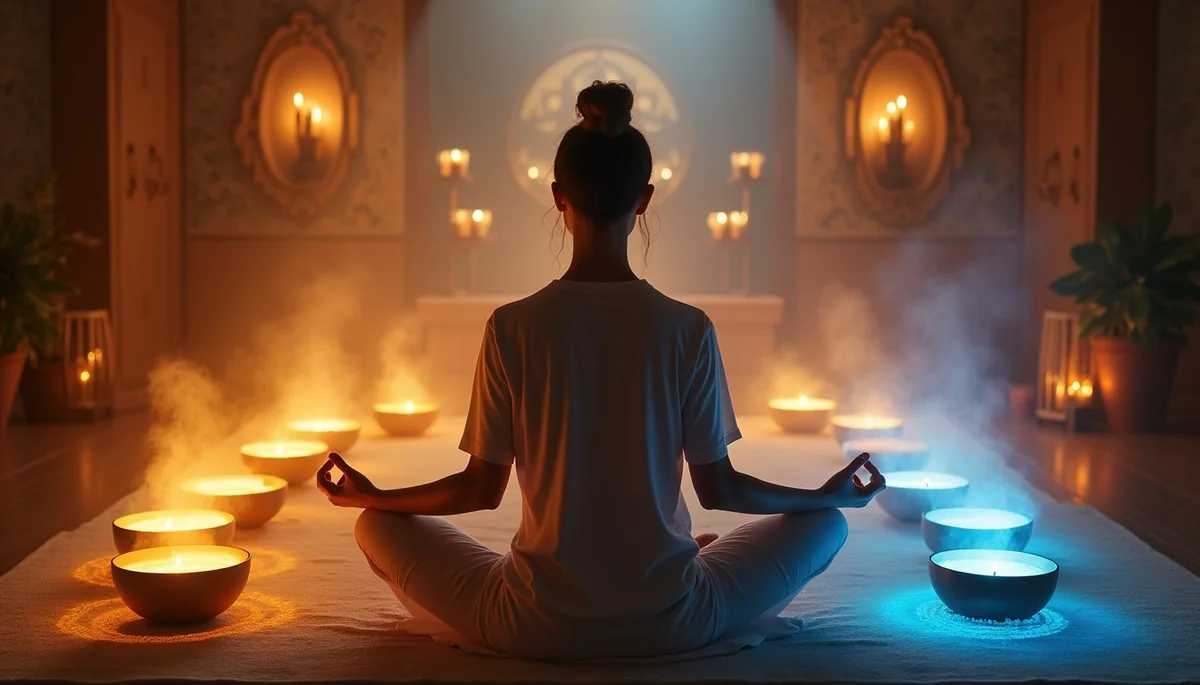
The gong is one of the most powerful sound healing instruments available. A single gong produces a vast spectrum of frequencies simultaneously, creating what practitioners call a sound wash or gong bath. The gong sound is so rich and complex that it can produce virtually every harmonic in the audible spectrum.
Gong baths are deeply immersive experiences. The sound of a large gong can be felt in every cell of the body, creating a profound state of relaxation and often triggering vivid visualizations, emotional releases, and even mystical experiences. Many people describe gong baths as one of the most transformative sound healing experiences available.
Practical Ways to Incorporate Sound Healing Into Your Daily Life
You do not need to attend formal sound healing sessions or purchase expensive instruments to benefit from therapeutic frequencies. Here are practical ways to bring sound healing into your everyday routine.
Morning Sound Meditation (5-15 Minutes)
Start your day with a short sound meditation. You can listen to Solfeggio frequency tracks on YouTube or Spotify, or use a dedicated sound healing app. Begin with 528 Hz for general well-being and positivity, or choose a frequency that addresses a specific intention for your day.
Sit comfortably, close your eyes, and let the sound wash over you. Focus on the vibration and allow your breathing to naturally slow. Even five minutes of morning sound meditation can set a calm, centered tone for the entire day.
Evening Wind-Down with Binaural Beats
If you struggle with sleep or evening anxiety, binaural beats can be a game-changer. About 30 minutes before bed, put on headphones and listen to delta frequency binaural beats (1-4 Hz). These frequencies encourage your brain to shift into the deep sleep state, making it easier to fall asleep and stay asleep.
Make sure you use stereo headphones for binaural beats, as the effect depends on each ear receiving a slightly different frequency. Set the volume low enough that it is comfortable and does not distract from sleep.
Singing Bowl Practice at Home
Even a single singing bowl can become a powerful daily practice tool. Start with a medium-sized Tibetan bowl that produces a tone you find soothing. Practice striking the bowl gently and then circling the rim with the mallet to produce the sustained singing tone.
Use your bowl for a five-minute mindfulness break during the workday. The physical act of playing the bowl requires presence and focus, which naturally interrupts the cycle of anxious thoughts. The sound itself then deepens the relaxation response.
Intention Setting with Specific Frequencies
Combine sound healing with intention setting for amplified results. Before playing a frequency or starting a sound meditation, take a moment to set a clear intention. For example, if you are working on self-confidence, you might set the intention to release fear and embrace your authentic power while listening to 396 Hz or 741 Hz.
The combination of focused intention and therapeutic sound creates a powerful synergy. The frequency helps shift your brainwave state and clear energetic resistance, while the intention gives your mind a clear direction for the healing process.
What to Expect in a Professional Sound Healing Session
If you decide to attend a professional sound healing session, knowing what to expect can help you get the most from the experience.
A typical session begins with a brief consultation where the practitioner learns about your physical, emotional, and spiritual concerns. You will then lie down on a comfortable mat or treatment table, often with blankets and an eye mask. The practitioner may begin with a few minutes of guided breathing or gentle guidance to help you relax.
The sound healing itself usually involves the practitioner playing various instruments around and sometimes directly on your body. You may experience tingling sensations, deep relaxation, emotional releases, vivid imagery, or a sense of floating. Some people fall asleep, which is perfectly fine and actually beneficial, as the sound continues to work on your subconscious.
Sessions typically last 60 to 90 minutes. Afterward, many people feel deeply relaxed, emotionally lighter, and physically renewed. It is common to feel thirsty or slightly disoriented for a short time after a session. Drinking plenty of water and allowing time to rest can help integrate the experience.
The Evidence: What Science Says About Sound Healing
While sound healing has deep roots in ancient traditions, modern research is increasingly validating its effectiveness.
A study published in the Journal of Evidence-Based Integrative Medicine found that singing bowl meditation significantly reduced tension, anger, fatigue, and depressed mood in participants. Another study in the American Journal of Health Promotion demonstrated that a directed sound meditation using Tibetan singing bowls decreased stress and improved mood in healthy adults.
Research on binaural beats published in Frontiers in Human Neuroscience has shown that listening to alpha and theta binaural beats can reduce anxiety and improve cognitive performance. Studies on vibroacoustic therapy, which combines low-frequency sound with gentle vibration, have demonstrated benefits for pain management, particularly in patients with fibromyalgia and other chronic pain conditions (source: NCBI).
The mechanism of action appears to involve multiple pathways. Sound vibrations stimulate the vagus nerve, which activates the parasympathetic nervous system and reduces cortisol levels. The rhythmic nature of therapeutic sound entrains brainwaves, shifting the mind from stressed beta states to calmer alpha and theta states. At the cellular level, sound vibrations may improve circulation, reduce inflammation, and support the body natural repair processes (source: Healthline).
Choosing the Right Frequency for Your Needs
With so many frequencies available, it can feel overwhelming to know where to start. Here is a simple guide to help you choose the right frequency for common intentions.
For stress and anxiety relief, start with 396 Hz or 528 Hz. Both frequencies promote relaxation and emotional release, though 396 Hz specifically targets fear-based emotions while 528 Hz has a broader healing quality.
For sleep improvement, delta binaural beats (1-4 Hz) or 432 Hz music are excellent choices. The delta frequency encourages the brain to enter the deep sleep state naturally.
For emotional healing and heart opening, 639 Hz is the primary frequency to explore. It supports connection, compassion, and the healing of relational wounds.
For spiritual growth and meditation, 852 Hz and 963 Hz are the most powerful options. These high frequencies activate the third eye and crown, facilitating deeper states of consciousness and spiritual insight.
For creativity and problem-solving, 741 Hz and alpha binaural beats (8-14 Hz) are ideal. They stimulate the mind while keeping it relaxed and receptive to new ideas.
The most important principle is to trust your own experience. If a particular frequency feels deeply calming or emotionally moving to you, that is the right frequency for you, regardless of what any guide says. Sound healing is ultimately a personal practice, and your body knows what it needs.
Conclusion: Let Sound Be Your Medicine
Sound healing is far more than a trendy wellness practice. It is a powerful, evidence-supported modality that taps into the fundamental vibrational nature of reality and the human body. Whether you are drawn to the ancient tones of Tibetan singing bowls, the precise frequencies of Solfeggio tuning, or the brainwave training of binaural beats, sound healing offers accessible, non-invasive tools for transforming your mental, emotional, and physical well-being.
The beauty of sound healing lies in its simplicity and accessibility. You do not need years of training or expensive equipment to begin experiencing its benefits. A pair of headphones and a free frequency track on YouTube can be your first step toward a calmer mind, a more open heart, and a deeper connection to the healing power of vibration.
Start small. Choose one frequency that resonates with a current challenge or intention. Commit to just five minutes of listening each day for one week. Notice what shifts. Trust what you feel. And let the sound do its quiet, powerful work.