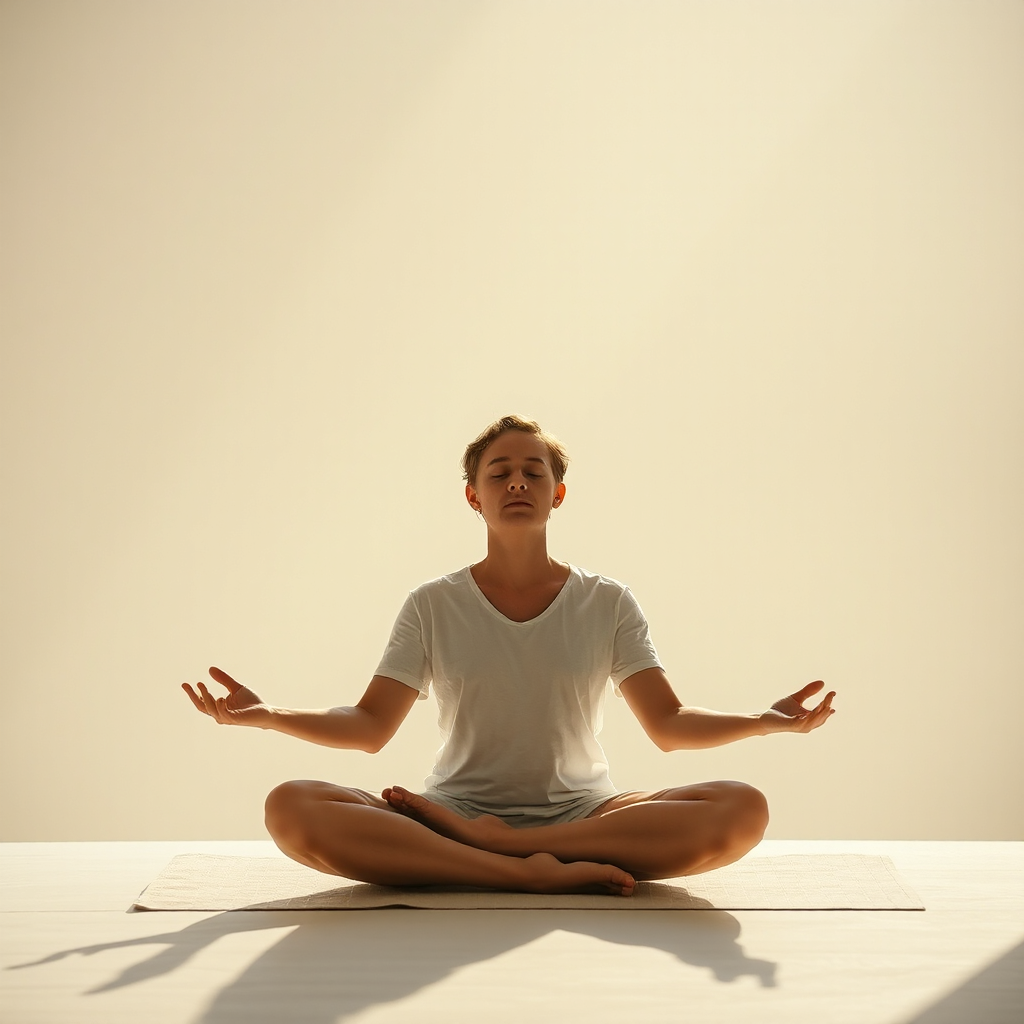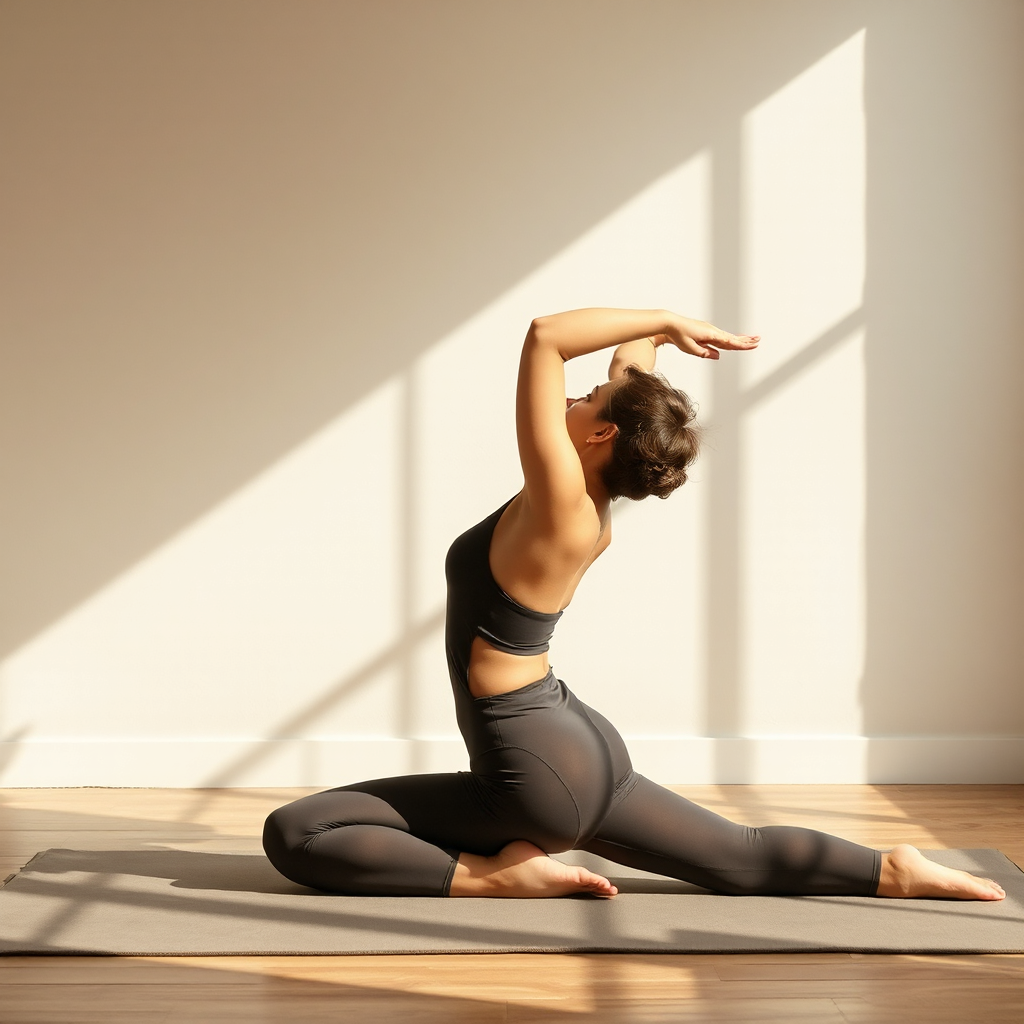
When anxiety hits, the instinct is to think your way out of it — to reason, plan, or talk yourself down. But anxiety lives in the body as much as the mind: the tight chest, the clenched jaw, the restless legs. Somatic exercises work from the bottom up, calming your physical body so your thoughts can follow. They are gentle, require no equipment, and can be done quietly almost anywhere. Here is how they work and the moves to try.
What Are Somatic Exercises?
“Somatic” simply means relating to the body. Somatic exercises are slow, mindful movements and sensations that help you notice and release physical tension and discharge stress energy. Instead of analyzing why you feel anxious, you tend to what anxiety feels like in your body — and give that feeling a safe way to move and settle.
This matters because anxiety is partly a physical state. When your sympathetic nervous system fires up, it readies you to fight or flee: muscles tense, breath shortens, senses sharpen. If there is nothing to run from, that energy gets stuck. Somatic practices help complete the stress cycle, signaling to your body that the threat has passed and it is safe to relax — the calm-and-connected state described in our guide on how to regulate your nervous system.
Why the Body Comes First
A long branch of your vagus nerve carries signals upward from your body to your brain, meaning your physical state constantly informs your sense of safety. This is why a tight, braced body keeps the mind anxious even when you logically know you are fine. By softening the body — through breath, movement, and pressure — you change the message traveling up to the brain. In polyvagal terms, you guide your system out of mobilization and back toward safety. Targeted vagus nerve exercises work hand in hand with the somatic moves below.
Somatic Exercises to Ease Anxiety
Move slowly and stay curious rather than forceful. The aim is to notice sensation, not to push it away.
- Self-hug with pressure: Wrap your arms across your chest, hands on opposite shoulders, and give a firm, steady squeeze for 20–30 seconds. Gentle pressure tells the body it is held and safe.
- Butterfly tapping: Cross your arms and slowly tap your shoulders left, right, left, right for a minute. The rhythmic, alternating touch is soothing and helps settle a racing mind.
- Slow body scan and release: Starting at your jaw and moving down to your shoulders, hands, belly, and legs, notice each area and consciously soften it on a long exhale.
- Grounding through the feet: Press your feet into the floor and rock gently from heels to toes. Feel the support beneath you and let your weight drop.
- Shake it out: Stand and gently shake your hands, arms, and legs for 30–60 seconds, like an animal shaking off stress. This discharges built-up energy.
- Orienting: Slowly turn your head and look around the room, naming what you see. This reminds your nervous system that you are safe in the present.
- Hand on heart and belly: Place one hand on your chest and one on your stomach, breathe slowly, and feel the warmth and gentle rise and fall.
For more options when anxiety spikes, pair these with classic grounding techniques.
When to Use Somatic Exercises
Reach for these the moment you notice early signs of anxiety — a fluttery stomach, shallow breath, or tightening shoulders — before it builds. They are also wonderful as a daily preventive practice: a few minutes each morning or before bed keeps your baseline calmer. Use the self-hug or butterfly tapping during stressful moments, the shake-out after a tense meeting, and the body scan to wind down at night. When you want to be proactive about resilience, work them into a regular nervous system reset.
How Long Until You Feel Calmer
Many people feel a noticeable softening within three to five minutes of a somatic practice — the breath deepens, the shoulders drop, the mind quiets. For acute anxiety, repeating a move for a few minutes often takes the intensity down a level or two. The deeper benefit, where your body stops bracing so quickly and recovers faster, develops over a few weeks of regular practice. Be patient and gentle; forcing relaxation tends to backfire. Calming reads like facing fear and anxiety and a simple meditation routine reinforce the work.
Signs Anxiety Is Living in Your Body
Watch for a clenched jaw, hunched or tight shoulders, shallow chest breathing, a knotted stomach, restless legs, or a feeling of being braced and unable to fully exhale. You might also notice you startle easily or feel exhausted yet unable to relax. These physical cues are exactly where somatic work helps most — they give the body a doorway back to ease.
Frequently Asked Questions
How are somatic exercises different from regular relaxation? Relaxation aims straight for calm; somatic work first invites you to feel and gently move the physical tension, which then allows genuine calm to arrive rather than being forced.
Can somatic exercises replace therapy for anxiety? They are a powerful self-help tool and complement professional care well, but they are not a replacement for therapy if anxiety is significant or trauma-related. Use them alongside support from a qualified provider.
What if focusing on my body makes the anxiety feel worse? Start small and keep your eyes open, choosing active moves like shaking or orienting rather than stillness. If a sensation feels overwhelming, shift your attention to a neutral point of contact, like your feet on the floor.
This article offers general wellness information and is not a substitute for professional medical or mental-health care. If your anxiety is severe or persistent, please seek support from a qualified professional.