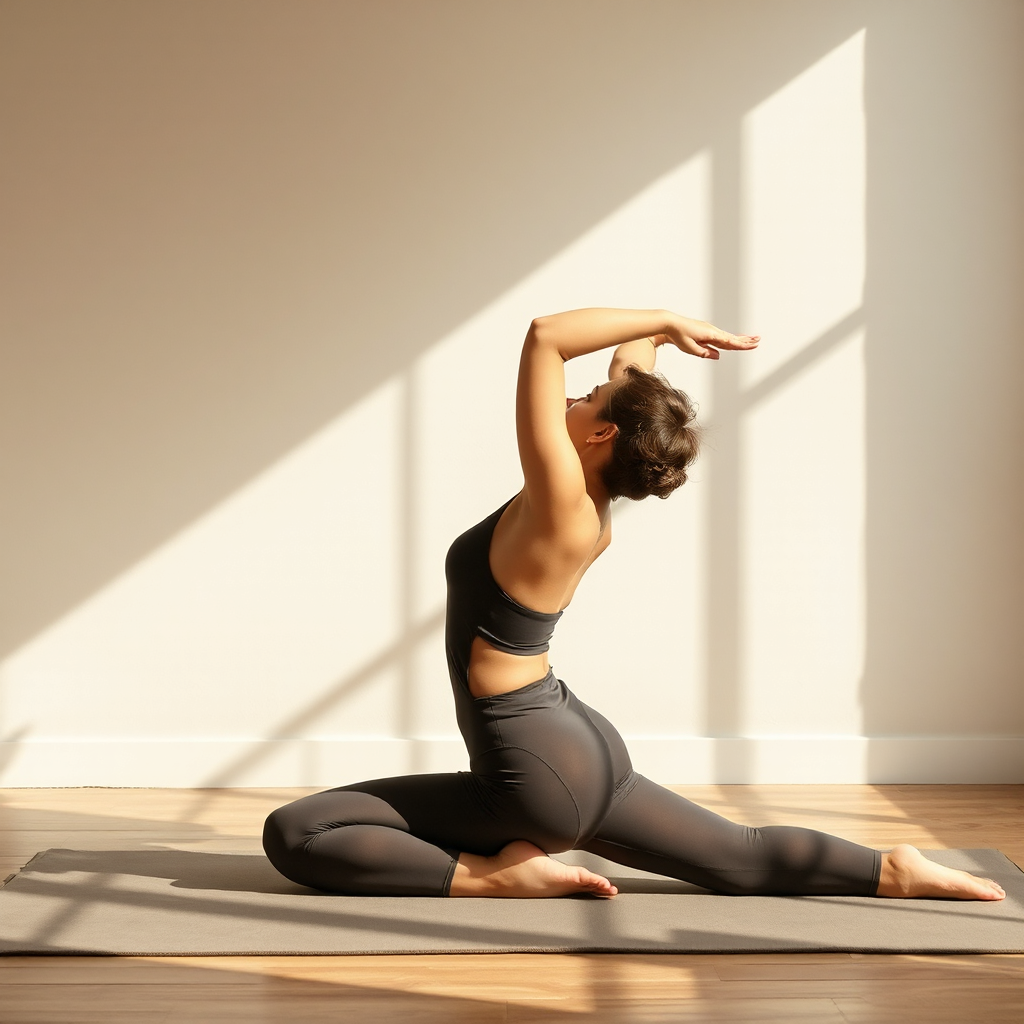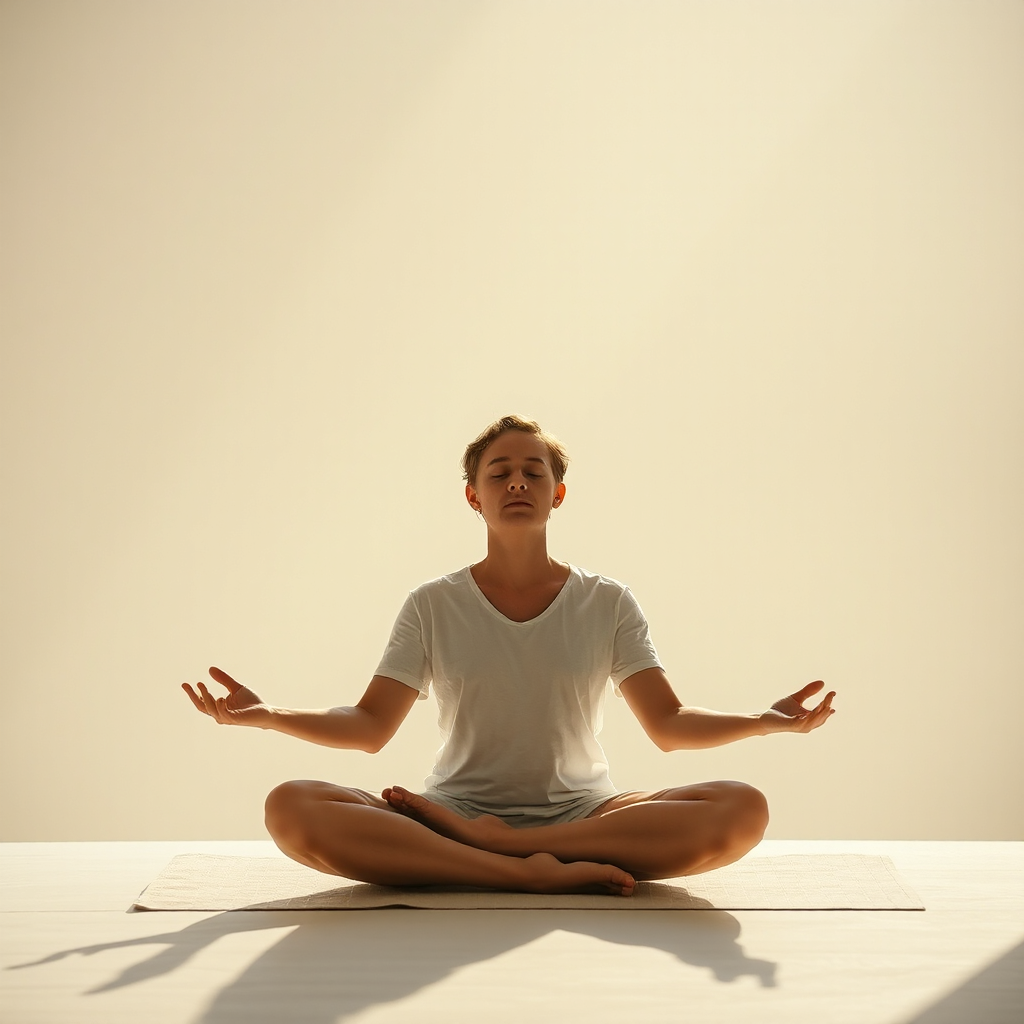
If your mind feels wired but tired, your chest tightens for no clear reason, or you swing between anxious buzzing and total shutdown, you are not broken — your nervous system is simply doing its job a little too well. The good news is that learning how to regulate your nervous system is a skill, not a personality trait. With a few minutes of practice each day, you can teach your body to find its way back to calm faster and more reliably. This guide walks you through the plain-language science and the practical tools that actually work.
What “Nervous System Regulation” Actually Means
Your autonomic nervous system runs the background tasks you never think about — heart rate, breathing, digestion, and your sense of safety or threat. It has two main branches. The sympathetic branch is your accelerator: it powers the fight-or-flight response, releasing adrenaline and cortisol so you can react to danger. The parasympathetic branch is your brake: it slows the heart, deepens digestion, and lets your body “rest and digest.”
Regulation does not mean being calm all the time. It means having a flexible system that can ramp up when you genuinely need energy and settle back down when the moment passes. Dysregulation is when you get stuck — stuck on (anxious, restless, irritable) or stuck off (numb, foggy, exhausted). The aim is not to delete stress but to restore the natural rhythm of revving up and gently winding down.
The Science in Plain Language
A helpful framework here is polyvagal theory, which describes three rough “states” your body moves through. The first is safe and social — calm, connected, able to think clearly. The second is mobilized — fight-or-flight, useful for real threats but uncomfortable when it lingers. The third is shutdown — a freeze or collapse response when things feel overwhelming.
The star of the show is the vagus nerve, a long nerve that wanders from your brainstem down to your heart, lungs, and gut. It is a two-way information highway, and the stronger its calming signal (often called vagal tone), the quicker you bounce back from stress. You can directly nudge this system through your breath, your body, and your senses — which is why simple physical exercises can shift how you feel within minutes.
Step-by-Step Tools to Calm Your System
Try these one at a time and notice which ones land for you. There is no single right answer — your body has preferences.
- Extended exhale breathing: Inhale through your nose for a count of 4, then exhale slowly for a count of 6 to 8. A longer exhale activates the parasympathetic brake. Do this for 1–2 minutes.
- The physiological sigh: Take a normal breath in through the nose, sneak in a second small inhale on top, then let out one long, audible exhale through the mouth. Repeat two or three times to quickly take the edge off panic.
- Orienting: Slowly turn your head and let your eyes wander around the room. Name five things you can see. This signals to your brain that you are safe in your actual surroundings.
- Cold water on the face: Splash cool water on your cheeks and around your eyes, or hold a cold pack there for 30 seconds. This triggers a reflex that slows the heart.
- Humming or gentle voicing: Hum a low tune for 30–60 seconds. The vibration stimulates the vagus nerve through the throat.
- Feet on the floor: Press your feet down and feel the contact. Adding pressure or a self-hug gives your body grounding feedback.
For a deeper dive into breath-based release, see our guide to holistic breathing techniques and the fundamentals in deep breathing for health.
When to Use Each Tool
Match the tool to the state you are in. If you feel revved up — racing heart, tight chest, spinning thoughts — lean on the physiological sigh, extended exhales, and cold water to apply the brake. If you feel shut down — foggy, heavy, disconnected — gentle movement, orienting, and humming help re-energize you toward the calm-and-connected state without overshooting into anxiety.
Targeted approaches help too. Explore specific vagus nerve exercises to build tone over time, body-based somatic exercises for anxiety when worry lives in your body, and a full nervous system reset after a draining week. Grounding techniques pair beautifully with all of these.
How Long Until You Feel Calmer
Single tools like the physiological sigh can ease acute stress within one to three minutes. A short breathing or grounding session usually softens the body in five to ten minutes. The bigger shift — a baseline that feels steadier and a quicker recovery from upsets — builds over two to six weeks of small, consistent practice. Think of it like training a muscle: frequency matters more than intensity. Two minutes, several times a day, beats one long session you do once a week.
Signs of a Dysregulated Nervous System
Common signals include trouble falling or staying asleep, feeling on edge or easily startled, a clenched jaw or tight shoulders, digestive upset, sudden fatigue or numbness, difficulty concentrating, and emotional reactions that feel bigger than the situation. None of these mean something is wrong with you — they are your body asking for safety. Regulation practices, more rest, gentle movement, and supportive connection all help. Layering in meditation and a calming walking meditation can reinforce the foundation.
Frequently Asked Questions
Can you really regulate your nervous system on your own? Yes, to a meaningful degree. Daily breath, movement, and grounding practices genuinely improve how quickly you recover from stress. For trauma or persistent symptoms, working alongside a professional adds depth and safety.
How is nervous system regulation different from relaxation? Relaxation is one outcome; regulation is the flexible capacity to move into and out of activation as life requires. A regulated system can be alert and focused, then settle — not just permanently chilled out.
What if calming techniques make me feel more anxious? This happens for some people, especially with eyes-closed stillness. Try eyes-open, movement-based options like orienting, walking, or humming instead, and go gently. Less is often more at first.
This article is general wellness information and not a substitute for professional medical or mental-health care. If symptoms are severe or persistent, please reach out to a qualified provider.