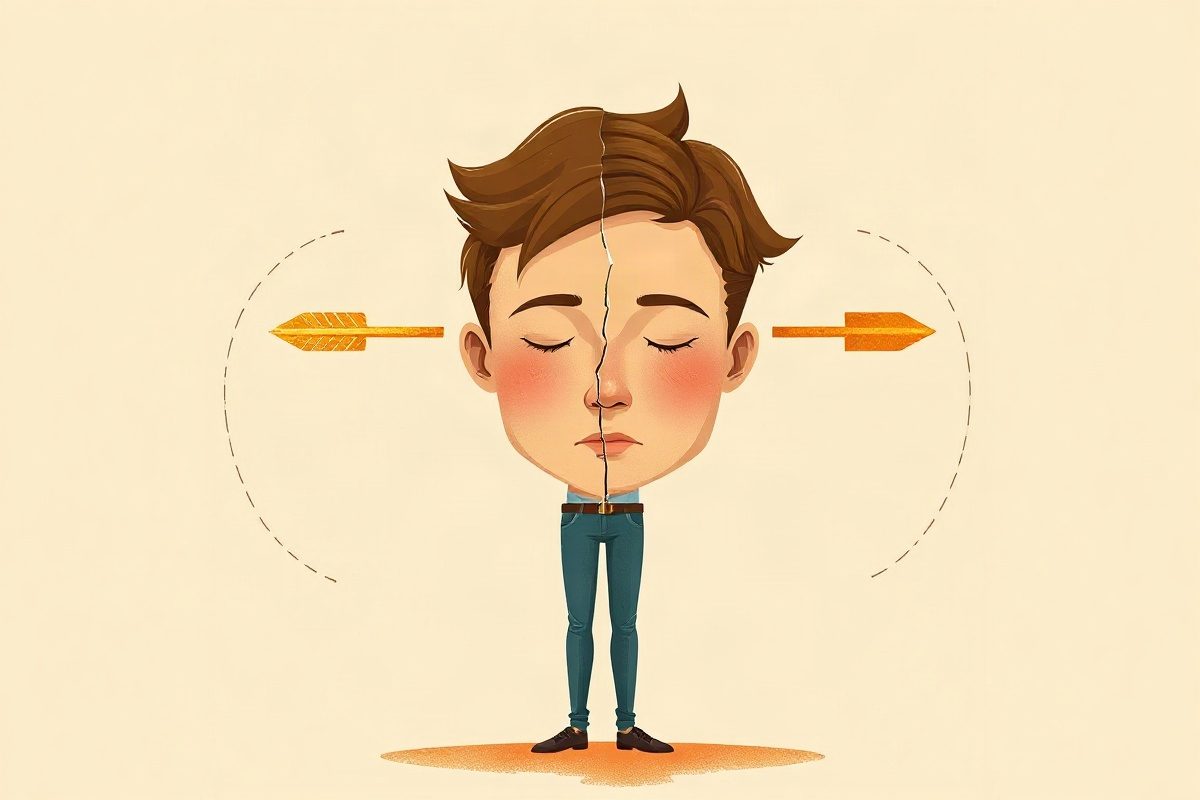
We tend to celebrate raw intelligence—the quick mind, the high test score, the impressive resume. Yet when you look closely at the people who navigate life with real grace, who keep their relationships strong and stay calm when things fall apart, you often find a different kind of brilliance at work. It is not about how much they know but about how well they understand emotions, both their own and other people’s. That capacity is called emotional intelligence, and it quietly shapes nearly every outcome that matters.
What Emotional Intelligence Actually Means
Emotional intelligence, sometimes shortened to EQ, is the ability to recognize, understand, and manage emotions—yours and those of the people around you. It is not about being endlessly cheerful or suppressing what you feel. In fact, emotionally intelligent people feel things deeply; the difference is that they are aware of their emotions and can work with them rather than being hijacked by them.
Researchers often describe EQ through a few core abilities: knowing what you are feeling, managing those feelings well, picking up on what others are feeling, and using all of that to handle relationships skillfully. Unlike IQ, which stays relatively stable through life, emotional intelligence can be developed at any age with deliberate practice. That makes it one of the most worthwhile skills you can build, because it touches your work, your friendships, your family, and your inner peace.
They Are Deeply Self-Aware
The foundation of emotional intelligence is self-awareness, and it shows. A high-EQ person can name what they are feeling in the moment—not just “bad,” but “disappointed and a little anxious.” They notice the early signals of an emotion before it boils over, and they understand what tends to trigger them. This inner clarity gives them a crucial pause between feeling something and acting on it.
Because they know themselves, they are also honest about their weaknesses without being crushed by them. They can hear feedback and consider it on its merits instead of treating every criticism as an attack. This kind of grounded self-knowledge is rare, and it is the soil from which every other emotional skill grows. You cannot manage a feeling you cannot even recognize.
They Regulate Their Emotions Well
Self-awareness without self-regulation is just insight you cannot use. Emotionally intelligent people do not pretend they are never angry, hurt, or stressed—they simply do not let those feelings run the show. When provoked, they can stay composed long enough to choose a thoughtful response rather than firing off a reaction they will regret. They have learned to ride out a wave of emotion instead of being swept under by it.
This does not mean bottling things up. Suppression tends to backfire. Instead, high-EQ people have healthy ways to process what they feel—talking it through, stepping away to cool down, reframing a situation, or simply giving an emotion room to pass. The result is that they tend to be steady under pressure, which makes others trust them and want them around when things get difficult.
They Show Genuine Empathy
Perhaps the most visible sign of emotional intelligence is empathy—the ability to sense and care about what someone else is going through. High-EQ people read the room. They notice when a friend’s cheerfulness is a little forced, when a colleague is overwhelmed but not saying so, when someone needs support rather than solutions. They tune in to tone of voice, body language, and the things left unsaid.
Crucially, their empathy is not just perceptive but warm. They make people feel understood, which is one of the deepest human needs. Rather than rushing to fix or judge, they listen in a way that lets others feel safe. This is why emotionally intelligent people so often end up as the trusted ones—the friend everyone confides in, the leader teams actually want to follow.
More Everyday Signs to Notice
Beyond the core abilities, high emotional intelligence reveals itself in countless small behaviors. Such people are good listeners who let you finish instead of waiting for their turn to talk. They take responsibility for their mistakes and apologize sincerely rather than deflecting blame. They set healthy boundaries, saying no when they need to without cruelty or guilt. They handle conflict by seeking understanding rather than trying to win.
You will also notice they are not easily threatened by others’ success and can give a genuine compliment freely. They tend to be curious about people and ask thoughtful questions. They adapt to change without falling apart, and they can sit with discomfort—both their own and other people’s—without needing to escape it immediately. Individually these seem minor; together they paint the portrait of someone emotionally skilled.
How to Develop Your Own Emotional Intelligence
The best news about emotional intelligence is that it is a skill, not a fixed trait, which means you can grow it. Start with awareness: a few times a day, pause and ask yourself what you are actually feeling and why. Naming emotions accurately is like building a vocabulary—the more precise you become, the more control you gain. Many people find that a short daily habit of reflection, whether in writing or simply in thought, sharpens this quickly.
Next, practice the pause. When a strong emotion hits, give yourself a beat before responding, even just a slow breath. That tiny gap is where regulation lives. To build empathy, become genuinely curious about others—ask how people are doing and actually listen, watch for the feelings behind their words, and resist the urge to immediately judge or advise. Finally, welcome feedback about how you come across, since others can see blind spots you cannot. Like any skill, emotional intelligence grows through honest, repeated practice, and the payoff touches every relationship you have.
Frequently Asked Questions
Is emotional intelligence more important than IQ? They serve different purposes, but in many areas of life—especially relationships, leadership, and wellbeing—emotional intelligence proves decisive. IQ may help you get a job, but EQ often determines how well you work with people and handle stress, which shapes long-term success and happiness.
Can emotional intelligence really be learned? Yes. Unlike IQ, which is relatively stable, EQ can be developed at any age through deliberate practice. Building self-awareness, learning to regulate your reactions, and strengthening empathy are all skills that improve with consistent attention over time.
Are highly sensitive people automatically high in EQ? Not necessarily. Feeling emotions intensely is not the same as understanding and managing them. A sensitive person may feel deeply yet still be overwhelmed by their emotions. High EQ combines that sensitivity with awareness and skillful regulation.
What is the first step to becoming more emotionally intelligent? Begin by simply naming your feelings throughout the day. Pause and identify what you are experiencing as precisely as you can. This single habit builds the self-awareness that every other emotional skill depends on, and it requires no special tools—only your attention.