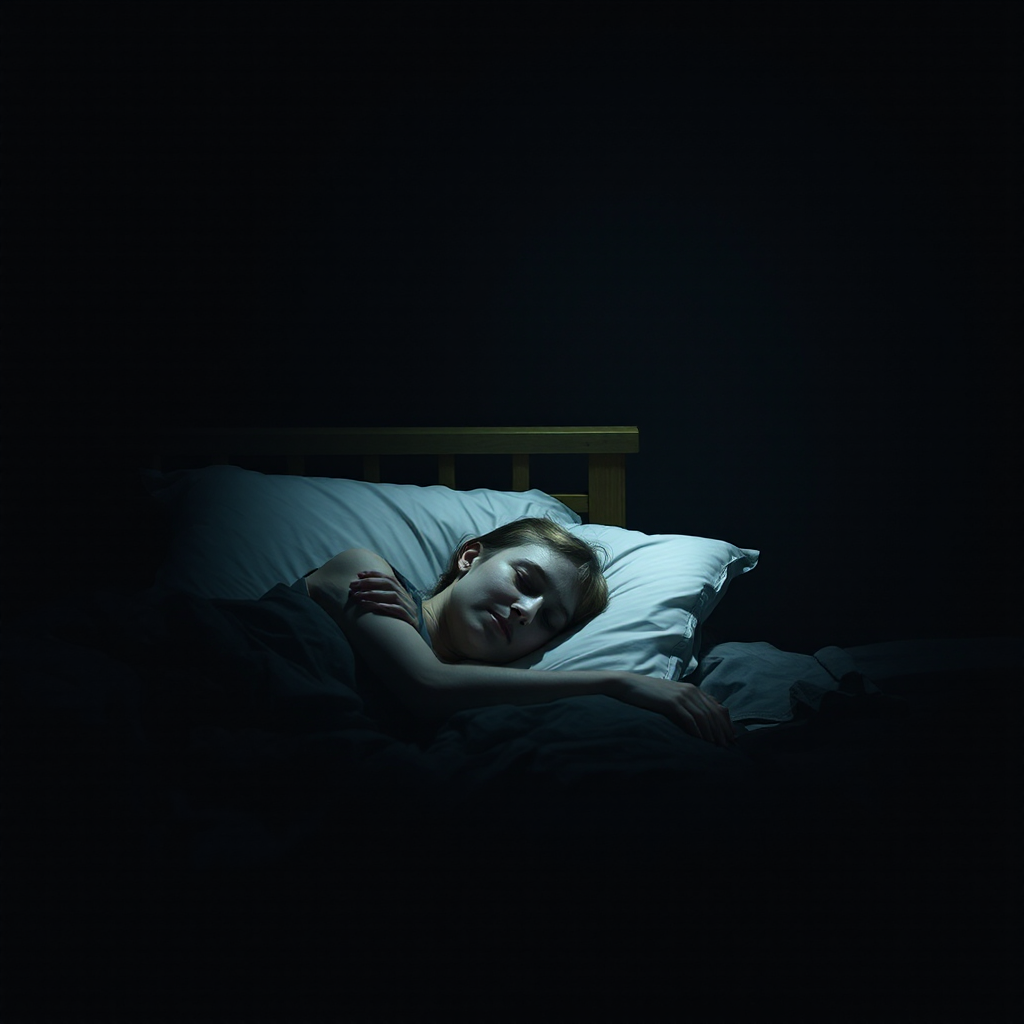
It’s the middle of the night, your mind is wide awake, and the harder you try to sleep, the more impossible it feels. That frustration is real, and trying to force sleep only winds you up tighter. The encouraging truth is that there are calm, practical things you can do right now to coax your body back toward rest. Here’s exactly what to do when you can’t sleep, without spiraling into worry.
Why Trying Harder Backfires
Sleep is one of the few things you can’t will into happening. When you lie there straining for it, your brain reads that effort as pressure, and pressure triggers a mild stress response, more alertness, a faster heartbeat, racing thoughts. This is the paradox of insomnia: the wanting keeps you awake.
The way out is to stop chasing sleep and instead create the conditions where it can arrive on its own. That means lowering your nervous system’s alarm, loosening your grip on the outcome, and gently redirecting a busy mind. None of this requires getting out of bed at first, just a shift in approach.
Calm Your Body First
Your mind follows your body. When you slow your breath and release physical tension, you signal safety, and your system starts to power down. Try these where you lie, eyes closed.
- Slow your exhale. Breathe in for 4 counts, out for 6 to 8. A longer exhale activates the rest-and-digest response. A structured pattern like box breathing works well too.
- Scan and soften. Move your attention slowly from your toes to your scalp, releasing each area. A guided body scan meditation is perfect for this.
- Try gentle stimulation of the calming nerve. Slow breathing, humming, or light pressure can help; explore vagus nerve exercises for more.
- Cool down. If you’re warm, stick a foot out of the covers. A slight temperature drop nudges your body toward sleep.
Quiet a Racing Mind
If worries or replayed conversations are keeping you up, the goal isn’t to silence your thoughts, it’s to make them less sticky. Give your mind a gentle, boring task instead of an emotional one.
- Use a wandering, neutral focus. Imagine slowly walking through a familiar place, or count backward from 300 by 3s. Dull is the point.
- Try cognitive shuffling. Picture random, unrelated objects one by one, an apple, a kite, a spoon, mimicking the loose imagery of falling asleep.
- Park your worries. Mentally tell yourself you’ll handle a concern tomorrow, or write it on a notepad by the bed. For recurring loops, see how to stop overthinking.
- Drop the clock. Turn it away. Doing the math on lost sleep only raises your stress.
If anxiety in your body keeps pulling you awake, gentle somatic exercises for anxiety can release that held tension.
When to Get Out of Bed
Here’s a counterintuitive but well-supported rule: if you’ve been awake for around 20 to 25 minutes and feel frustrated, get out of bed. Lying there awake teaches your brain to associate the bed with wakefulness and stress, which makes future nights worse.
- Go to another room and keep the lights dim and warm, no bright overheads.
- Do something quiet and low-stimulation: read a few pages of a dull book, listen to a calm audio track, or fold laundry.
- Strictly avoid your phone and bright screens, the light and the content reactivate your brain.
- Return to bed only when you feel sleepy again, not just bored. Repeat if needed.
This protects the powerful link between your bed and sleep, which pays off over the following nights.
Set Yourself Up for an Easier Tomorrow
One rough night won’t ruin you, your body is resilient and will recover. What matters most is not overcorrecting in a way that disrupts your rhythm.
- Wake at your usual time, even if you’re tired. Sleeping in late makes the next night harder.
- Get morning light soon after waking to reset your internal clock.
- Skip the long nap; protect your sleep pressure for tonight.
- Be gentle with caffeine, and don’t “catch up” with extra cups that linger into evening.
To prevent repeat nights, build steady habits with how to sleep better, and calm your baseline stress with how to regulate your nervous system.
Frequently Asked Questions
Should I just stay in bed and rest with my eyes closed? Quiet rest has some value, but if you’re awake and frustrated for 20-plus minutes, getting up briefly usually helps more by keeping your bed linked with sleep rather than wakefulness.
Is it okay to read on my phone if I can’t sleep? It’s best avoided. The bright light and engaging content signal alertness to your brain. A physical book or dim audio is a far better choice.
Will one bad night hurt my health? No. Occasional poor sleep is normal and your body bounces back. Worrying about it is often more disruptive than the lost sleep itself.
If you regularly can’t sleep night after night, please reach out to a doctor, persistent sleep difficulty deserves professional care.