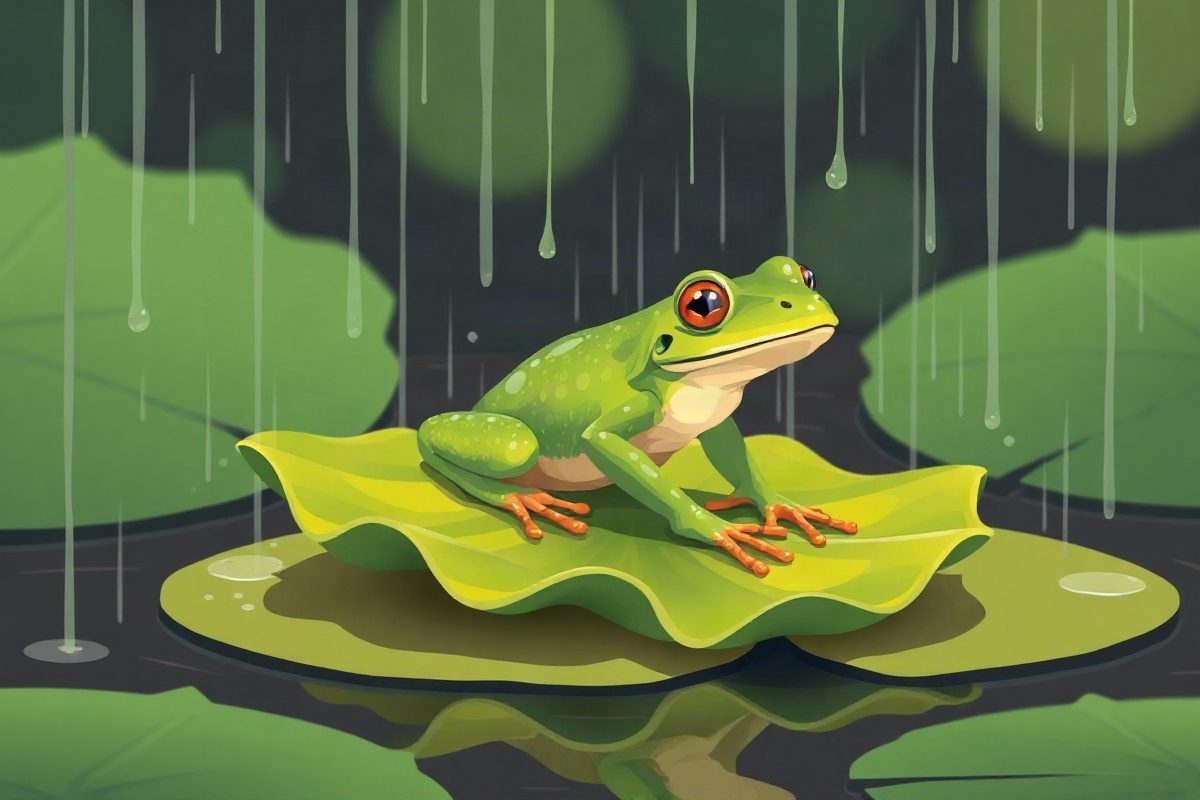
The spiritual meaning of frogs centers on renewal and transformation: a frog begins life as an egg in water, becomes a tadpole, and remakes its whole body to live on land, so its appearance is read as a sign that you are moving through change toward a fresh start. Because frogs call when the rains come, many cultures also link them with cleansing, fertility, and abundance.
Frogs are easy to overlook until they are suddenly everywhere: a chorus after a storm, one sitting on your doorstep, another in a dream. They have been honored as goddesses of birth, charms for safe travel, and singers who bring rain. This guide covers what frogs generally symbolize, what specific traditions say, what a frog might mean in love and grief, how to read frog dreams, and a simple practice for working with the frog's message.
What Do Frogs Mean Spiritually?
Frog symbolism draws directly on the animal's life cycle and habitat. The main themes are:
- Transformation. Metamorphosis from tadpole to frog is one of nature's most complete changes. A tadpole breathes with gills and lives in water; a frog grows legs, develops lungs, and loses its tail. Few symbols express total change so clearly.
- Renewal and rebirth. Some frogs survive extreme conditions. The North American wood frog can survive having much of its body freeze in winter, then thaws and resumes life in spring. Frogs are a natural image of coming back to life.
- Cleansing and emotional release. Frogs live between water and land. Water is widely associated with emotion and purification, so frogs often symbolize washing away what is stale and letting feelings move.
- Fertility and abundance. Frogs lay large numbers of eggs, and many species breed after rain, when the land becomes green. This made them symbols of fertility and plenty.
- Sensitivity to the environment. Frogs absorb water and air through their skin, which makes them highly sensitive to pollution. Ecologists treat amphibians as indicators of environmental health. Spiritually, this points to being sensitive to the "atmosphere" around you, and protecting yourself from what does not serve you.
Frogs in Cultural and Religious Traditions
Here is what particular cultures say about frogs, rather than a blended "ancient belief" version.
Ancient Egypt: Heqet and the power of life
In ancient Egypt, Heqet (also spelled Heket) was a goddess of fertility and childbirth, shown as a frog or a woman with a frog's head. She was associated with the final stages of birth, and women wore frog amulets for protection. The tadpole hieroglyph was used to write the number 100,000, a reflection of how abundant frogs were along the Nile after the annual flood. Frogs therefore represented life, multitude, and renewal. Some early Christian oil lamps from Egypt even combine a frog image with a Greek phrase meaning "I am the resurrection," showing how the frog's link with rebirth carried across religious change.
Japan: the frog that brings you back
In Japanese, the word for frog, kaeru, sounds the same as the verb "to return." Because of this wordplay, small frog charms are popular as good luck for a safe return home from travel. Many people keep a tiny frog in their wallet or purse in the hope that money spent will come back. Frog figures appear at some shrines, and the frog is broadly associated with safe travel and things coming back to you.
China: the money toad
In Chinese folk tradition, the Jin Chan, or golden toad, is a three-legged toad often shown sitting on coins with a coin in its mouth. Linked in legend with the immortal Liu Hai, it is a popular feng shui symbol for attracting wealth and is traditionally placed near the entrance of a home or business. Chinese mythology also connects toads with the moon; in some versions of the Chang'e legend, she becomes a toad on the moon after drinking the elixir of immortality.
India: the hymn to the frogs and frog weddings
The Rigveda contains a hymn, the Manduka Sukta (Rigveda 7.103), which celebrates frogs that wake and croak together when the monsoon arrives after a long dry season. The poem compares their calls to priests chanting at a ritual. The link between frogs and rain remains strong in parts of India today; in some rural areas, communities hold symbolic "frog weddings," marrying two frogs in a ceremony meant to invite the rains during drought.
Maya tradition: frogs and the rain god
Among the Maya of the Yucatan, frogs are associated with the rain deity Chaac. In the traditional ch'a chaak rain ceremony, still held in some Yucatec Maya communities, boys are tied to the legs of the altar and imitate the croaking of frogs, whose calls herald the rain. Here frogs are not just symbols but participants in calling life-giving water.
The Bible: the plague of frogs
In the Book of Exodus (chapter 8), frogs are the second of the ten plagues sent upon Egypt, covering the land and entering homes. In the Book of Revelation (16:13), unclean spirits are described as looking like frogs. These passages gave the frog a more negative image in parts of the Christian world, a contrast with its sacred role in Egyptian religion.
European fable and fairy tale
Aesop's fable "The Frogs Who Desired a King" tells of frogs who beg the gods for a ruler, reject a harmless log as too dull, and are then given a stork that eats them, a warning to be careful what you ask for. The Brothers Grimm's "The Frog King," the first tale in their 1812 collection, gave rise to the "frog prince." In the original, the princess does not kiss the frog; she throws him against the wall in anger, and he is transformed. Either way, the frog became a lasting image of hidden worth and of transformation that comes through an unexpected turn.
Spiritual Meaning of Frogs in Love
A frog appearing while you think about love is often read through the lens of transformation and fertility:
- A relationship changing form. Like a tadpole growing legs, your relationship may be moving into a new stage, such as moving in together, recommitting after a hard period, or adjusting to a new life situation.
- Looking past appearances. The frog prince story is a reminder that someone's value may not be obvious at first. It can also point to giving a relationship time to show what it really is.
- Emotional cleansing. Frogs and water suggest releasing old resentments so the relationship can breathe. A clear conversation can be like rain after drought.
- Fertility. For couples hoping for a child, frogs have long been symbols of fertility and safe birth, as with the Egyptian goddess Heqet.
If you are single, a frog may suggest that you are still in your own tadpole stage, growing and preparing, and that this phase is worthwhile rather than wasted time.
Frogs and Grief
The frog's link with rebirth makes it a meaningful symbol in mourning. Egyptian frog amulets and the frog-and-resurrection lamps show that people have long seen frogs as signs of life continuing after death. If a frog appears after a loss, some people take it as reassurance that the person's life has moved into another form. Others find comfort in the Japanese idea of kaeru, a return, imagining love returning in new ways.
The frog also offers a gentle lesson about grief itself. Grief is a kind of metamorphosis. You cannot go back to the person you were before the loss, and you do not have to. Slowly, you grow into a new shape that can carry both the loss and the life ahead. Letting emotions move, like water, is part of that. If you find yourself holding grief rigidly, how to release emotional attachment offers some gentle approaches.
Dreaming of Frogs
Frogs in dreams often relate to change, emotion, and cleansing. Common scenarios and how people often interpret them:
- A frog jumping: a leap forward, a sudden change, or a need to move quickly on an opportunity.
- A frog in water: emotional renewal, or feelings that are ready to flow.
- Tadpoles: an idea, project, or part of yourself in an early stage of growth.
- Many frogs or a loud chorus: abundance, or a situation that feels noisy and overwhelming.
- A frog in your house: change entering your home or family life.
- A dead frog: a stalled transformation, or a phase that has ended.
- Kissing a frog: looking past appearances, or wishing for a person or situation to change.
Write the dream down quickly, including the setting and your emotions. Frogs that feel joyful usually point to positive change; frogs that feel unsettling may point to change you are resisting.
The Frog as a Spirit Animal
People who feel a connection with frogs often move through life in clear phases and are sensitive to their surroundings. As an animal guide, the frog represents:
- Embracing change. The frog shows that transformation is natural, even when it involves giving up an old way of living entirely.
- Emotional cleansing. Letting tears and feelings flow rather than holding them in.
- Sensitivity. Like a frog's permeable skin, you may absorb the moods around you. The frog teaches choosing healthy environments.
- Using your voice. Frogs are loud when the time is right. The frog reminds you to speak when it matters; the blue jay carries a similar lesson about voice.
- Timing. Frogs wait for the rain. They teach patience and readiness to act when conditions shift.
The shadow side of frog energy includes avoiding commitment by jumping from one thing to the next, or absorbing so much from others that you lose your own center. The term "spirit animal" comes from specific Indigenous practices, and many people prefer animal guide or totem symbol for personal reflection. The spirit animal guide explains more.
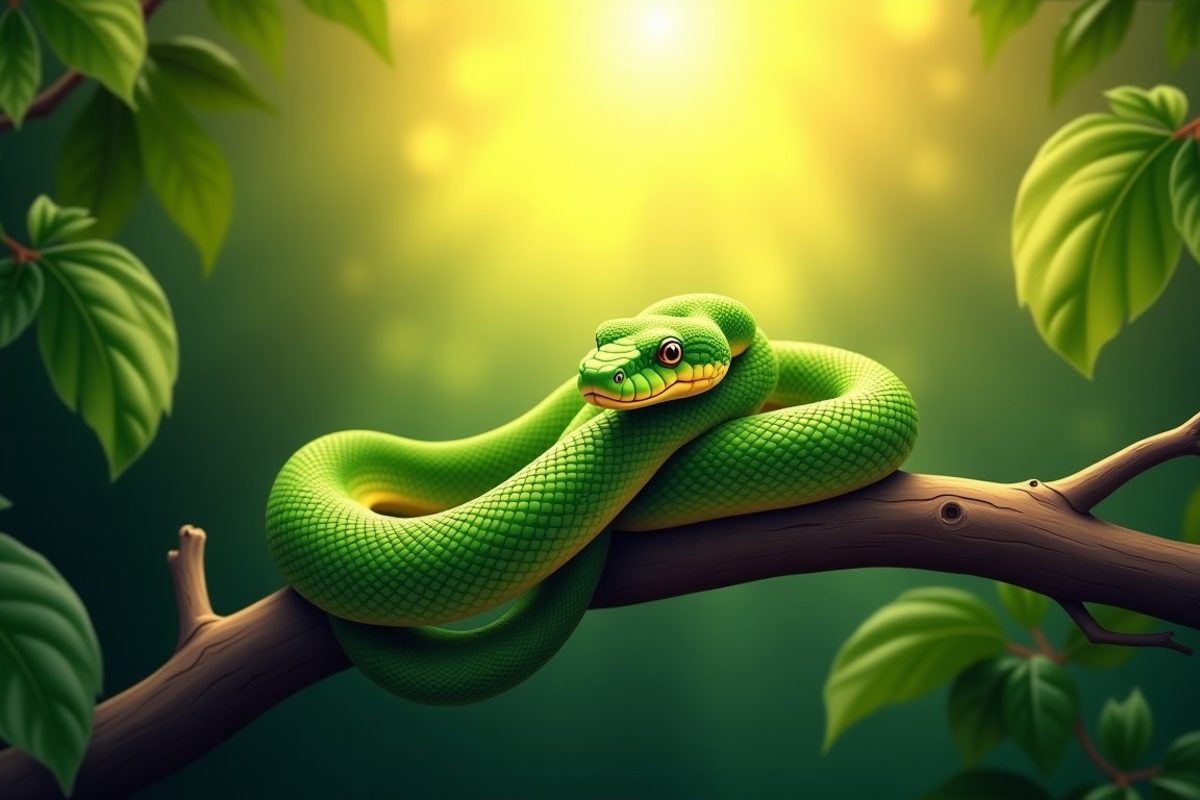
Frogs share their themes with other creatures of change. The dragonfly also begins life in water before taking to the air, the snake sheds its skin to renew itself, and the deer regrows its antlers each year. Seeing several of these in a short time is often read as a strong call to let change happen.
What to Do When You See a Frog
When a frog catches your attention, use it as a brief check-in:
- Notice where it is. In water, on land, at your door, in your garden? A frog at a threshold such as a doorway often suggests a transition is near.
- Ask what stage you are in. Egg, tadpole, or frog? Are you just starting something, in the messy middle of change, or ready to leap?
- Ask what needs washing away. Is there an old feeling, grudge, or habit that needs to be released?
- Ask what you want to return. In the spirit of kaeru, what would you like to come back into your life: health, joy, a connection, a sense of home?
- Write it down. Date, place, and your answers.
If you find a frog, observe it without handling it. Frogs absorb substances through their skin, so lotions, sunscreen, and salts on human hands can harm them.
A rain cleansing practice
The next time it rains, try this simple practice:
- Sit near a window or under shelter where you can hear the rain.
- Breathe slowly and listen for a few minutes.
- Name one thing you want the rain to wash away and one thing you want it to help grow.
- Write both down, then add one small action you will take this week to support the new growth.
Frogs come alive after rain. The practice asks you to do the same: let the old wash off and give the new conditions to grow.
A Grounded Note on Frog Signs
Frogs are common near water and after heavy rain, so seeing one is often simply a sign of the season and a healthy environment. Their appearance does not guarantee money, a new partner, or a particular event. What makes a frog meaningful is the moment: the frog on your doorstep the day you decide to move, or the chorus you hear on the night you finally let yourself cry. Treat those moments as prompts to embrace change. The frog's message, from the Nile to the Yucatan, is that life renews itself, and so can you.
Frequently Asked Questions
What does it mean when you see a frog?
Seeing a frog is usually read as a sign of transformation, renewal, and cleansing. Because frogs change completely from tadpole to adult, their appearance often points to a change you are moving through or about to begin. Many cultures also link frogs with rain and abundance.
Is a frog a sign of good luck?
In many traditions, yes. In Japan the word for frog sounds like the word for return, so frog charms are carried for safe travel and money coming back. In Chinese feng shui, the three-legged money toad is a symbol of wealth. Frogs are best seen as encouraging signs rather than guarantees.
What does a frog at your door mean?
A frog at your door is often read as change arriving at a threshold, such as a new phase at home or a transition you are about to make. Some people also see it as a sign of good fortune entering the home. Practically, frogs are often drawn to doorways by insects attracted to lights.
What does it mean to dream about frogs?
Frog dreams often relate to change, emotional release, and new beginnings. A jumping frog can mean a leap forward, while tadpoles point to ideas in early stages. If the frogs felt unsettling, the dream may be about a change you are resisting.
What does a frog symbolize in love?
In love, the frog can symbolize a relationship moving into a new stage, the importance of looking past first impressions, and emotional cleansing. It is also an ancient fertility symbol, linked with the Egyptian goddess Heqet who protected childbirth.
What is the spiritual meaning of frogs croaking?
Frog choruses are traditionally linked with rain, renewal, and abundance. The Rigveda contains a hymn celebrating frogs that call at the start of the monsoon. Hearing frogs croaking can be read as a sign that a dry or difficult period is ending.