
Feng Shui Tips to Attract Positive Energy Into Your Home
Table of Contents
What Is Feng Shui and Why Does It Matter for Your Home?
Feng shui is an ancient Chinese practice that dates back over 3,000 years, rooted in the belief that the arrangement of your living space directly influences the flow of energy—known as qi—throughout your life. The words themselves reveal the philosophy: feng means wind, and shui means water, two elements that naturally carry and direct energy across landscapes.
When your home supports the smooth flow of positive energy, you tend to experience greater clarity, deeper rest, and a more consistent sense of well-being. When energy becomes stagnant or chaotic, the effects can show up as disrupted sleep, persistent irritability, or a general feeling of being stuck.
The principles of feng shui are not superstition. They align with environmental psychology, biophilic design, and spatial awareness—concepts that modern architects and interior designers increasingly incorporate into their work. A room that breathes well, has natural light, and feels balanced does make a measurable difference in how you think and feel.
Understanding feng shui does not require a radical overhaul of your home. Even small, intentional adjustments can shift the energetic quality of a space significantly. This guide walks you through practical, beginner-friendly feng shui tips you can apply today to attract positive energy into every room of your home.
The Bagua Map: Your Blueprint for Positive Energy
The bagua map is one of the most essential tools in feng shui. It divides any floor plan into nine zones, each corresponding to a different area of life: wealth, fame, love, family, health, creativity, knowledge, career, and helpful people. By overlaying this map onto your home—or even a single room—you can identify which areas need attention.
To use the bagua map, stand at the main entrance of your home facing inward. The bottom edge of the map aligns with the wall containing the front door. Each zone then extends into the space accordingly. If a zone is cluttered, dark, or neglected, the corresponding life area may feel stagnant.
How to Activate Each Bagua Zone
Each zone responds to specific elements, colors, and shapes. Here are practical ways to activate the most commonly desired areas:
- Wealth (back left): Add lush green plants, a small water feature, or purple accents to invite abundance.
- Love (back right): Place pairs of objects—two candles, two pillows—to symbolize partnership. Pink and warm tones work well here.
- Career (front center): Keep this area clean and well-lit. A mirror or a small fountain near the entrance supports career flow.
- Health (center): The center affects all zones. Keep it open, clean, and anchored with earth tones—terracotta, sandy beige, warm yellows.
- Fame (back center): Red accents and good lighting amplify recognition and reputation energy.
You do not need to follow every recommendation at once. Start with the area of life that feels most pressing and make a single, meaningful adjustment there.
Declutter First: The Foundation of Good Energy
Before placing crystals, mirrors, or plants, address clutter. In feng shui, clutter is the single most destructive force against positive energy. It traps stale qi, creates visual noise, and makes it physically harder for air and light to circulate.
Clutter is not only about physical mess. It includes items you no longer use, gifts you keep out of guilt, broken objects, and anything that carries negative associations. Each of these items holds a small amount of your mental energy hostage.
A Room-by-Room Decluttering Approach
Start with the entryway. Your front door is the mouth of qi—where energy enters. Clear shoes, coats, and unnecessary items. Make sure the door opens fully without obstruction.
Move to the bedroom next. This is the room where you restore yourself. Remove work materials, exercise equipment, and anything that reminds you of stress. Keep surfaces minimal and calming.
Then tackle the kitchen. In feng shui, the kitchen represents wealth and nourishment. Discard expired food, clean the stovetop (use all burners regularly to symbolize abundance), and keep the refrigerator organized.
Finally, address storage areas—closets, cabinets, and the garage. If you cannot see what you own or cannot access it easily, it is contributing to stagnation.
The process of decluttering itself generates movement in your life. Many practitioners report that after a thorough declutter, new opportunities, relationships, or ideas emerge seemingly on their own.
Living Room Feng Shui: Creating a Space That Welcomes Abundance
The living room is the social heart of the home. It is where you receive guests, relax with family, and recharge. In feng shui, this room should feel welcoming, open, and supportive of connection.
Commanding Position for Seating
Arrange your main sofa so that it faces the entrance to the room without being directly in line with the door. This is called the commanding position, and it allows you to see opportunities coming while feeling secure. Avoid placing seating with backs facing the door—it creates a subtle sense of vulnerability.
Natural Light and Air Flow
Open curtains during the day. Natural light is the most potent source of yang energy—the active, expansive force that drives progress and positivity. If certain rooms lack windows, use full-spectrum light bulbs and mirrors to bounce available light deeper into the space.
Air quality matters equally. Stale air carries stagnant energy. Open windows daily for at least ten minutes, even in cold weather. Add air-purifying plants like peace lilies, snake plants, or bamboo palms—these also contribute wood element energy, which supports growth and vitality.
Balance the Five Elements
Feng shui works with five elements: wood, fire, earth, metal, and water. A balanced living room includes representations of each:
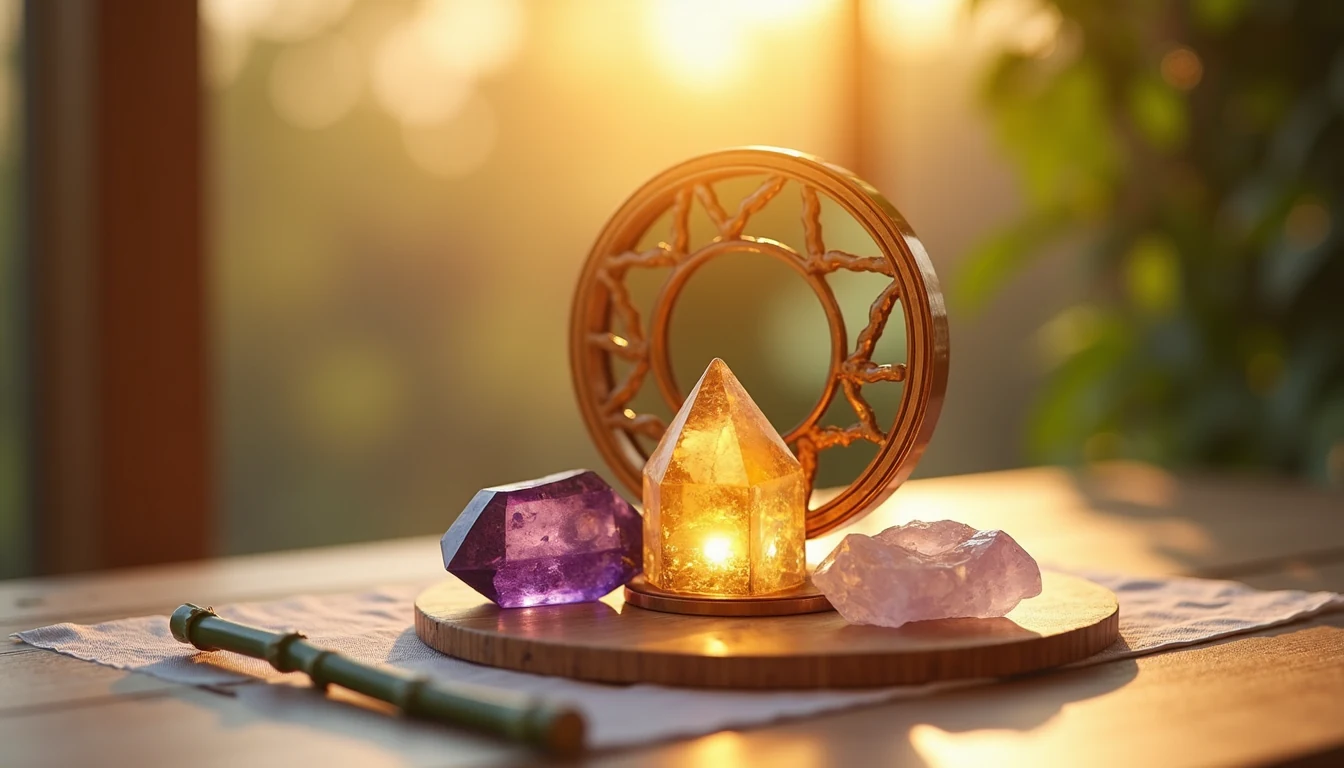
- Wood: Plants, wooden furniture, green or teal accents
- Fire: Candles, red or orange touches, good lighting
- Earth: Ceramics, terracotta, beige and sandy tones, square shapes
- Metal: Metallic frames, round shapes, white or gray accents
- Water: Small fountains, mirrors, dark blue or black touches
You do not need equal amounts of each element. The goal is to ensure none is entirely missing and that no single element dominates. If a room feels too cold, add fire and earth. If it feels too chaotic, add metal and water to calm the energy.
Bedroom Feng Shui: Designing for Deep Rest and Intimacy
The bedroom is arguably the most important room in feng shui. It governs rest, intimacy, and personal recovery. A bedroom with poor feng shui can lead to insomnia, relationship strain, and chronic fatigue.
The Bed Placement Rules
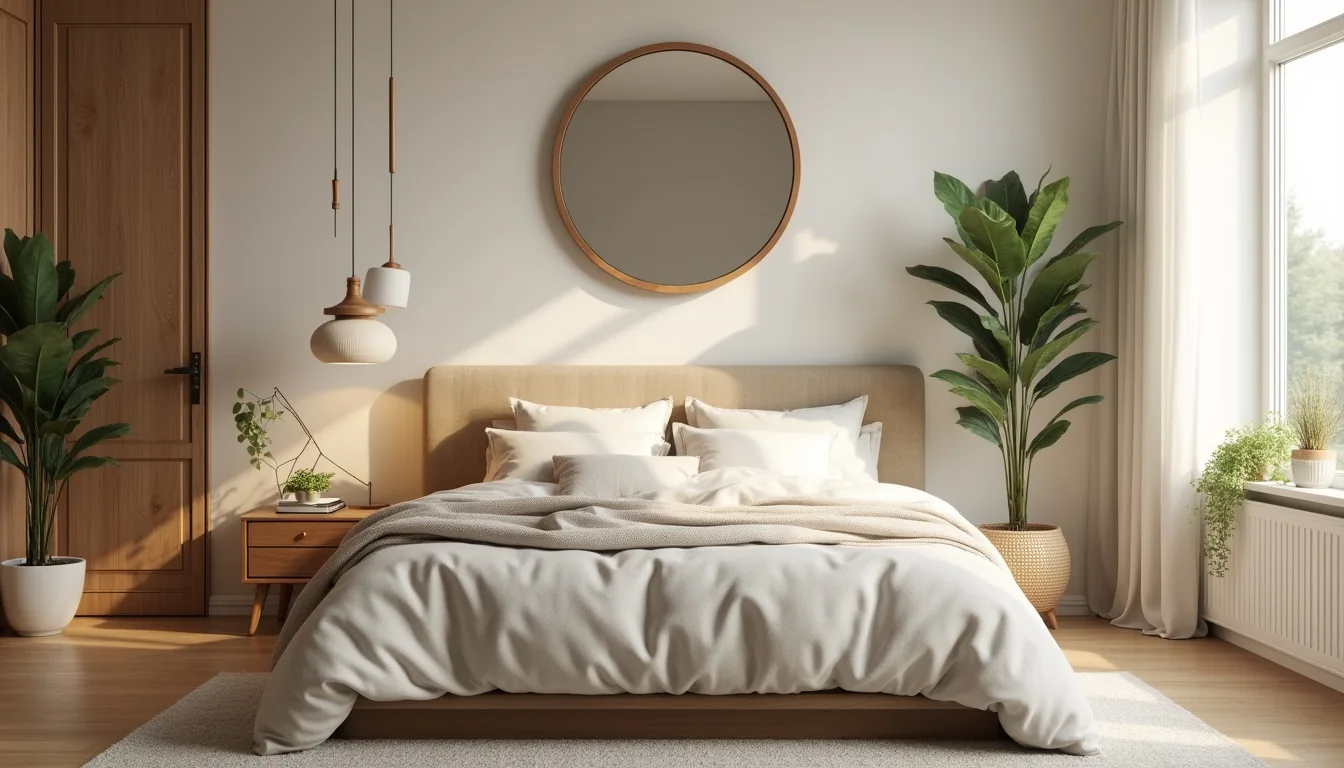
Your bed should be in the commanding position—facing the door without being directly aligned with it. The headboard should rest against a solid wall, never a window. Avoid placing the bed under exposed beams or sloped ceilings, which create downward pressure energy.
Never store items under the bed if possible. The space beneath you while sleeping should be clear, allowing energy to circulate freely. If storage is necessary, keep it organized and limited to soft items like bedding.
Electronics and Mirrors
Remove or minimize electronics in the bedroom. Televisions, phones, and computers emit electromagnetic fields that interfere with sleep quality. If a television must remain, cover it when not in use.
Mirrors in the bedroom are controversial in feng shui. They are believed to double energy—including worries and restlessness. If you have a large mirror facing the bed, consider moving it or covering it at night. A small mirror on the wall away from the bed is generally acceptable.
Color and Texture
Choose soft, skin-tone colors for the bedroom—creamy whites, light peaches, muted earth tones, or gentle greens. These colors are grounding without being overstimulating. Avoid bright reds, harsh whites, or dark heavy colors on large surfaces.
Use natural fabrics: cotton, linen, bamboo. The tactile quality of your bedding matters more than most people realize. Rough, synthetic fabrics introduce subtle discomfort that disrupts the nervous system during sleep.
Kitchen Feng Shui: Nourishing Body and Prosperity
In feng shui, the kitchen represents wealth and health simultaneously. It is where you transform raw ingredients into life-giving meals, making it a direct metaphor for how you process nourishment and abundance.
Stove and Sink Placement
The stove is the most important appliance in feng shui. It represents career and wealth. Keep it clean, functional, and use all burners regularly—rotating through them symbolizes diverse sources of income. Never place the stove directly across from the sink or refrigerator; this creates a fire-and-water clash that can manifest as financial or emotional volatility.
If the stove faces the sink directly and you cannot move it, place a green plant or a wooden object between them. Wood absorbs the conflict between fire and water elements.
Keep the Kitchen Organized and Well-Stocked
A sparse, empty refrigerator sends a scarcity message to your subconscious. Keep your kitchen well-stocked with fresh food, organized spices, and clean countertops. This simple practice shifts your mindset from lack to abundance.
Discard chipped dishes, broken utensils, and expired food immediately. In feng shui, broken items in the kitchen directly correlate to health and financial issues.
Entryway Feng Shui: The Gateway for Positive Energy
Your front door and entryway set the energetic tone for the entire home. This is where opportunities—literally and metaphorically—arrive. A neglected or blocked entryway signals that you are not ready to receive.
Make the Door Inviting
The front door should open fully without squeaking or sticking. Oil the hinges if needed. Ensure the door number or name is clearly visible. A clean, well-maintained front door with a fresh welcome mat creates an immediate shift in how energy enters your home.
What to Place Near the Entrance
A small table or console near the entrance provides a landing spot for keys and mail, preventing clutter from spreading inward. Add a healthy plant, a bowl of fresh fruit, or a pleasant scent diffuser. These elements signal abundance and warmth to anyone who enters—including you, every time you come home.
Avoid placing mirrors directly facing the front door, as they can push incoming energy back outside. Instead, position mirrors on adjacent walls to expand the space and distribute energy.
Common Feng Shui Mistakes That Block Positive Energy
Even with good intentions, certain design choices can inadvertently create energy blocks. Here are the most common ones:
Sharp Corners and Poison Arrows
In feng shui, sharp corners pointing toward seating or sleeping areas create what are called poison arrows—concentrated streams of harsh energy. Soften corners with plants, draped fabric, or by repositioning furniture. Round and oval shapes are always preferable to sharp angles in feng shui.
Dried Flowers and Dead Plants
Dried flowers may look decorative, but they represent dead energy. Replace them with living plants or high-quality silk arrangements. If a plant is dying despite your care, remove it immediately—it is absorbing more energy than it gives.
Leaking Faucets and Broken Items
A dripping faucet is one of the most commonly cited feng shui problems. Water represents wealth, and a leak symbolizes money draining away. Fix leaks promptly. Similarly, broken items—chipped mugs, cracked mirrors, malfunctioning appliances—should be repaired or removed. They occupy space both physically and energetically without contributing value.
Quick Feng Shui Fixes You Can Apply Today
If you want to start experiencing the benefits of feng shui without a major redesign, try these immediate adjustments:
- Open all curtains and windows for at least 15 minutes to refresh stagnant air and invite natural light.
- Clear the entryway completely. Remove shoes, bags, and clutter from the front door area.
- Add one healthy plant to your living room and one to your bedroom. Snake plants and pothos are low-maintenance and excellent air purifiers.
- Fix one broken item you have been ignoring. The act of repair sends a powerful message to your subconscious that you deserve functional, complete surroundings.
- Place a small mirror on the wall opposite a window to double the natural light and expand the sense of space.
- Remove items from under your bed. Even a brief clearing creates a noticeable shift in sleep quality.
- Use all four stove burners over the next week, rotating which one you use to symbolize varied income streams.
- Add a bowl of fresh fruit to the kitchen counter or dining table as an abundance symbol.
- Replace harsh white bulbs with warm-toned lighting in living areas and bedrooms.
- Let go of one item you have been keeping out of guilt. Donate it. The release creates space for something better.
Feng Shui and Modern Living: Bridging Ancient Wisdom with Contemporary Spaces
One common concern is whether feng shui applies to modern apartments, lofts, or unconventional floor plans. The answer is yes—but the application requires flexibility.
If your front door opens directly into the living room, use a rug or a console table to create a visual threshold. If your bedroom is small, focus on bed placement and removing electronics rather than trying to add more objects. If you rent and cannot paint walls, use removable wallpaper, curtains, or art in appropriate colors.
The essence of feng shui is intention. Every adjustment you make—whether choosing a paint color, placing a plant, or removing clutter—carries the message that your home matters and that you are actively shaping the quality of your daily experience. The ancient practitioners understood something that modern neuroscience confirms: your environment shapes your thoughts, your thoughts shape your emotions, and your emotions shape your reality.
Conclusion: Your Home Reflects and Shapes Your Energy
Feng shui is not about perfection or following rigid rules. It is about creating a living environment that supports the life you want to experience. Start small. Open a window. Clear a surface. Add a plant. Each action sends a signal that you are ready for positive change.
The spaces we inhabit are never neutral. They either drain us or nourish us. By applying feng shui principles with awareness and consistency, you transform your home from a passive backdrop into an active partner in your well-being. Positive energy does not arrive by accident. You invite it in—one intentional choice at a time.
Whether you begin with your entryway, your bedroom, or your kitchen, the key is to begin. The energy will follow.