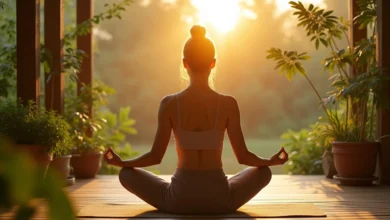
Grounding Techniques for Anxiety and Stress Relief

Feeling overwhelmed, anxious, or disconnected from the present moment is something almost everyone experiences at some point. Whether it is triggered by a stressful workday, a difficult conversation, or an unexpected life event, anxiety can pull your mind into a spiral of worry about the future or regrets about the past. In these moments, your body enters a heightened state of alert, your heart races, your breathing becomes shallow, and your thoughts feel impossible to control. The good news is that there are powerful, natural techniques that can bring you back to the present moment and restore a sense of calm. Grounding techniques for anxiety and stress relief are simple yet effective practices that help reconnect your mind and body with the here and now. Rooted in both ancient spiritual traditions and modern therapeutic approaches, these methods offer immediate relief and long-term resilience.
Table of Contents
What Are Grounding Techniques?
Grounding techniques are exercises designed to bring your awareness back to the present moment, especially during episodes of anxiety, panic, or dissociation. The concept of grounding draws from the idea of being physically and energetically connected to the earth. Just as an electrical system needs grounding to function safely and effectively, the human mind and body benefit from practices that anchor awareness in the present reality rather than being swept away by anxious thoughts or emotional turbulence.
These techniques work by engaging your senses, redirecting your attention away from internal distress, and reinforcing a sense of safety and stability. They are particularly useful for individuals who experience anxiety disorders, post-traumatic stress, or chronic stress. Grounding does not require any special equipment, extensive training, or a specific environment. You can practice many of these techniques discreetly at your desk, on public transportation, or in the middle of a crowded room.
Why Grounding Helps With Anxiety and Stress
When anxiety strikes, your sympathetic nervous system activates the fight-or-flight response. This evolutionary mechanism prepares your body to face danger, but in modern life, it often triggers in response to non-life-threatening stressors like deadlines, social pressure, or financial worries. Chronic activation of this response leads to elevated cortisol levels, muscle tension, sleep disturbances, and emotional exhaustion. Grounding techniques counteract this by activating the parasympathetic nervous system, which governs rest, digestion, and relaxation.
Research in psychology and neuroscience supports the effectiveness of grounding. Studies have shown that somatic and sensory-based grounding exercises can reduce acute anxiety symptoms, lower heart rate, decrease cortisol production, and improve emotional regulation. By redirecting attention to physical sensations or external stimuli, grounding interrupts the feedback loop between anxious thoughts and physiological arousal.
Physical Grounding Techniques for Immediate Relief
The 5-4-3-2-1 Senses Technique
One of the most widely recommended grounding exercises is the 5-4-3-2-1 technique. This method engages all five senses to anchor your awareness in the present environment. Begin by identifying five things you can see around you. Then name four things you can physically touch or feel. Continue with three things you can hear, two things you can smell, and one thing you can taste. This structured sensory scan interrupts anxious rumination and reconnects you with your immediate surroundings in a calm, methodical way.
Cold Water Immersion
Splashing cold water on your face or holding an ice cube in your hand triggers the mammalian dive reflex, a physiological response that slows the heart rate and calms the nervous system. This technique is especially effective during moments of intense panic or overwhelming emotion. The shock of cold temperature redirects your entire focus to the physical sensation, breaking the cycle of anxious thinking almost instantly.
Progressive Muscle Relaxation
Progressive muscle relaxation involves systematically tensing and then releasing different muscle groups throughout the body. Start with your toes, curl them tightly for five seconds, and then release. Move upward through your calves, thighs, abdomen, chest, arms, and face. This practice increases body awareness, releases stored physical tension, and signals to your nervous system that it is safe to relax. Regular practice can significantly reduce baseline anxiety and improve sleep quality.
Mindfulness and Breathwork Practices
Breath is one of the most accessible and powerful grounding tools available to you at any moment. Unlike many other bodily functions, breathing can be controlled voluntarily, making it a direct bridge between the conscious mind and the autonomic nervous system. When you slow and deepen your breath, you send clear signals to your brain that you are safe, which gradually turns down the volume on the stress response.
Box Breathing
Box breathing, also known as square breathing, is a structured technique used by athletes, Navy SEALs, and mindfulness practitioners alike. Inhale for a count of four, hold the breath for four counts, exhale for four counts, and hold the empty lungs for four counts before beginning again. This rhythmic pattern stabilizes the heart rate, increases oxygen flow to the brain, and cultivates a deep sense of calm focus.
4-7-8 Relaxing Breath
Developed by Dr. Andrew Weil, the 4-7-8 breathing technique is designed to induce relaxation quickly. Inhale quietly through your nose for four seconds, hold the breath for seven seconds, and exhale completely through your mouth for eight seconds. This extended exhalation activates the parasympathetic nervous system and is particularly helpful for reducing anxiety before sleep or during stressful situations.
 Meditation and grounding practice by a calm lake at sunset for anxiety relief
Spiritual and Energetic Grounding Methods
Beyond the physical and mental aspects, grounding carries deep spiritual significance. Many ancient traditions teach that human beings are energetic extensions of the earth, and that maintaining a conscious connection to this source is essential for emotional balance and spiritual well-being. When you feel scattered, anxious, or emotionally overwhelmed, it is often because your energy has become ungrounded, rising too high into the mind and leaving the body behind.
Earthing and Nature Connection
Earthing, also called grounding in its most literal form, involves direct physical contact with the earth’s surface. Walking barefoot on grass, soil, or sand allows the body to absorb the earth’s natural electrical charge, which has been shown to reduce inflammation, improve sleep, and stabilize mood. Even ten minutes of barefoot contact with natural ground can produce noticeable calming effects. If going outside is not possible, holding a natural crystal, stone, or houseplant can serve as a partial substitute.
Visualization and Rooting Techniques
Visualization is a powerful tool for energetic grounding. Sit comfortably with your feet flat on the floor and imagine roots extending from the soles of your feet deep into the earth. Visualize these roots traveling through layers of soil and rock until they reach the planet’s warm, stable core. Feel the earth’s energy rising back up through these roots, filling your body with strength, stability, and calm. This technique is especially effective when practiced in a seated meditation or before sleep.
Creating a Daily Grounding Routine
While grounding techniques can provide immediate relief during moments of acute anxiety, their true power emerges when they become part of your daily routine. Just as brushing your teeth maintains dental health, regular grounding practices maintain emotional and nervous system health. You do not need to devote hours to this. Even five to fifteen minutes each morning can set a calm, centered tone for your entire day.
Start your day with five minutes of intentional breathing before checking your phone. Take a short walk outside during your lunch break, paying attention to the sensations of your feet on the ground and the air on your skin. Before bed, practice progressive muscle relaxation or a brief visualization exercise to release the accumulated stress of the day. These small, consistent practices compound over time, building a foundation of resilience that makes you less reactive to stress and more capable of handling life’s challenges with grace.
 Hands connecting with soil during a grounding exercise to release stress and anxiety
When to Seek Professional Support
Grounding techniques are valuable self-help tools, but they are not a replacement for professional mental health care when it is needed. If anxiety is interfering with your ability to work, maintain relationships, or enjoy daily life, consider reaching out to a licensed therapist, counselor, or medical professional. Anxiety disorders are common and treatable, and seeking help is a sign of strength, not weakness. Grounding practices can complement therapy beautifully, serving as daily maintenance between sessions and reinforcing the skills learned in a therapeutic setting.
Conclusion
Anxiety and stress are natural parts of the human experience, but they do not have to control your life. Grounding techniques offer a simple, accessible, and science-backed path back to calm whenever you feel overwhelmed. Whether you choose physical exercises like the 5-4-3-2-1 method and progressive muscle relaxation, breathwork practices like box breathing and 4-7-8 breathing, or spiritual approaches like earthing and visualization, the key is consistency and intention. Begin today with just one technique, practice it regularly, and notice how your relationship with stress begins to shift. You have the power to anchor yourself in the present moment, and every step you take toward grounding is a step toward a more peaceful, centered life.